Song Meaning
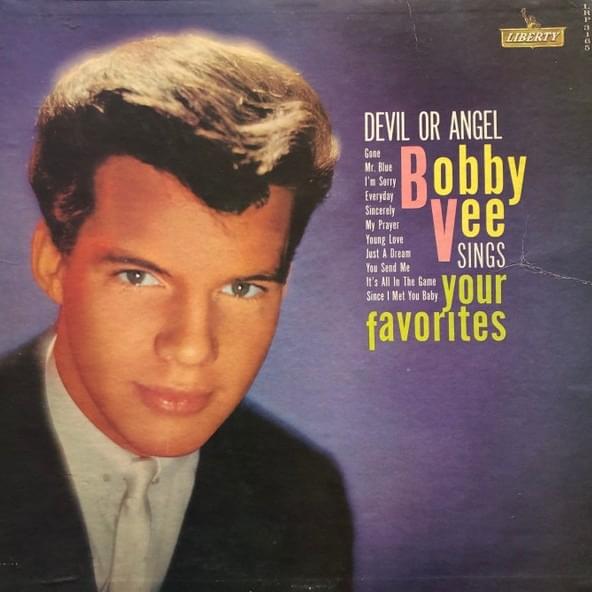
Bobby Vee's "Devil or Angel" isn't just a sugary slice of early '60s pop; it's a distillation of adolescent uncertainty, a sonic portrait of being utterly, helplessly hung up on someone who’s playing games with your heart. The song's central tension, the push and pull between the angelic facade and the potential for devilish behavior, taps into a fundamental human experience: the agonizing realization that the person you idolize might not be who you think they are. It's a situation ripe for projection, where the singer's own insecurities and desires color his perception of the object of his affection. Is she really a devil, or is he just afraid of getting hurt?
The lyrics are deceptively simple, built on a repetitive structure that mirrors the obsessive nature of infatuation. The constant refrain, "Devil or angel, I can't make up my mind," underscores the singer's internal conflict. He's caught in a loop of admiration and suspicion, unable to reconcile the idealized image he holds with the nagging feeling that something isn't quite right. The plea, "Love me or leave me, I'll go out of my mind," reveals a vulnerability that's both endearing and slightly unsettling. It's the desperation of someone teetering on the edge, willing to sacrifice their own well-being for the chance of reciprocated affection.
Beneath the catchy melody and doo-wop harmonies, "Devil or Angel" exposes a raw nerve of romantic anxiety. The song captures that specific moment in youth when the world, and the people in it, start to seem less predictable, less easily categorized. Love isn't always a straightforward path; sometimes it's a minefield of mixed signals and conflicting emotions. Vee’s song, in its straightforwardness, articulates that feeling perfectly. The "devil or angel" dichotomy becomes a metaphor for the confusing, often contradictory nature of human behavior, particularly within the high-stakes arena of young love. The song meaning is not about good vs. evil, but about the internal struggle to reconcile idealized perceptions with the messy reality of human relationships.
 View Artist