Song Meaning
Bobby Short's rendition of "Poor Little Rich Girl" is less a celebration of wealth than a cautionary tale draped in the shimmering fabric of Jazz Age anxieties. The song meaning hinges on the inherent contradiction of its subject: a young woman seemingly blessed with every advantage, yet simultaneously cursed by a gilded cage of her own making. She's "bewitched," not in the romantic sense, but trapped by the intoxicating allure of endless leisure and fleeting pleasures, a “virtual stranger” to genuine experience because she's always shielded from consequence. Short doesn't just sing about her lifestyle; he diagnoses it. The "hopeless tangle" of her love affairs and the "wild typhoon" of her life suggest a deep-seated instability masked by champagne bubbles and forced laughter. The lyrics paint a picture of someone perpetually on the edge, her nerves "a-jangle" from the constant pursuit of fleeting thrills.
The song’s central tension lies in the contrast between outward appearance and inner turmoil. The "craze for pleasure" that defines her existence is ultimately unsustainable. The repeated line, "but what comes after, nobody knows," hints at the looming void beneath the surface. It's a psychological portrait of a young woman teetering on the brink of self-destruction, her emotional development stunted by a life devoid of genuine substance. The metaphor of "weaving love into a magic pattern" is particularly insightful. It suggests that she's attempting to construct a meaningful narrative for herself, but the pattern is fragile, easily unravelled. The warning, "Don't drop a stitch too soon," implies that her carefully constructed facade is on the verge of collapse.
Ultimately, "Poor Little Rich Girl" isn't a simple critique of wealth; it's an exploration of the human condition. It’s a reminder that material possessions cannot fill the void of emotional emptiness, and that the pursuit of pleasure without purpose leads to a profound sense of alienation. Bobby Short's interpretation adds a layer of knowing empathy to the song. He doesn't condemn his subject but observes her with a mixture of pity and concern, recognizing the tragedy inherent in a life lived without authenticity.
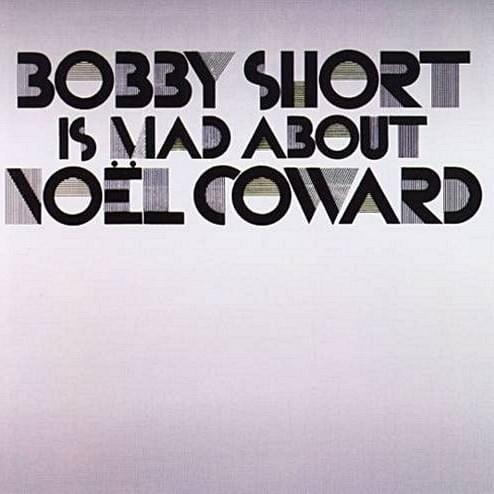
 View Artist