Song Meaning
The lyrics paint a stark portrait of a woman whose emotional life is defined by a profound lack of love and validation. Her outward composure, a "story so well" told by her eyes, masks a deep internal struggle. She's "so little expected, too often neglected," a phrase that immediately establishes a sense of her being overlooked and undervalued, leading to a stripping of her pride. The narrator observes her careful facade, noting she's "always so careful not to cry," a vulnerability only revealed in the quiet solitude of sleep, marked by "a tear on her cheek."
The central tension arises from the narrator's contemplation of a widely held, yet disturbing, sentiment: "a man without love's only half of a man / But a woman is nothing at all." This quote, recalled vaguely, frames the woman's existence as potentially meaningless without romantic love, a harsh societal judgment that seems to weigh heavily on her. The narrator acknowledges his own inability to provide the love she craves, confessing, "She knows I don't love her / Although, heaven knows how I've tried." Her "reason for living, to go right on giving / Is the one thing that she's been denied," highlighting a cruel irony where her innate drive to nurture and connect is thwarted by the very absence of reciprocal affection.
The most striking aspect of the writing is the repetition of the demeaning aphorism about men and women, particularly its brutal finality for the woman. The lyrics don't just present her suffering; they embed it within a cultural narrative that renders her existence almost null without a man's love. The image of her crying "in the wee hours of the morning" as the "hurt deep inside... Is beginning to show in her eyes" is a powerful visual of suppressed pain finally surfacing, directly contradicting the idea that she is "nothing at all."
This piece hits hard because it juxtaposes the quiet, persistent suffering of an individual with a callous, generalized societal belief. The narrator's own conflicted position – trying but failing to love her, and seemingly internalizing the harsh aphorism – adds a layer of bleakness. The effectiveness lies in how the lyrics force the listener to confront the devastating impact of emotional neglect and the societal devaluation of women, making the woman's silent tears feel like a profound act of resistance against being rendered "nothing."
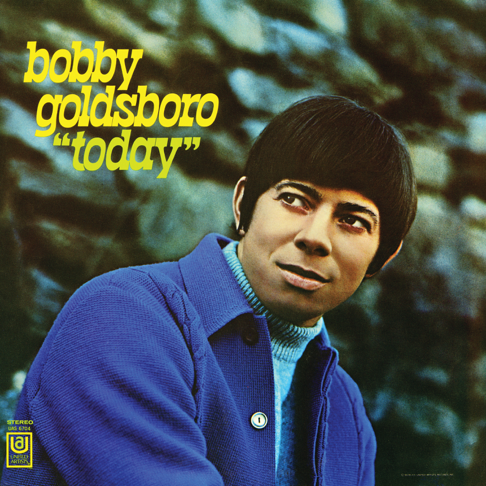
 View Artist