Song Meaning
The lyrics paint a stark picture of a love lost, transforming the vibrant imagery of autumn into a monochromatic landscape of sadness. The narrator acknowledges the traditional beauty of the season – "red and gold" leaves, a "rainbow in the sky" – but their internal state overrides external perception. This isn't just a bad mood; it's a fundamental shift in how the world is experienced, directly tied to the impending or ongoing departure of a significant other.
The central tension lies in the contrast between the expected joy of autumn and the narrator's profound melancholy. They are told the colors are "pretty," that there's a "rainbow," yet these affirmations are met with an internal reality of "shades of blue." This disconnect highlights the isolating nature of grief; the world continues its usual spectacle, but the narrator is trapped in their own emotional winter, unable to participate in the season's supposed charm because "I'm losin' you."
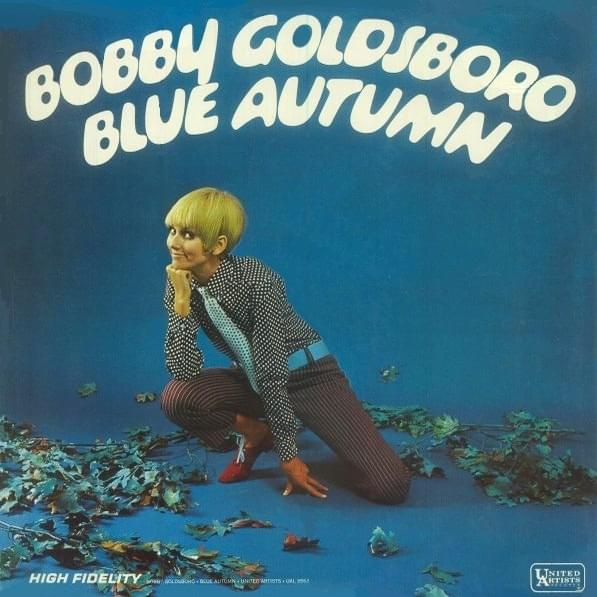
The most striking craft element is the persistent, almost obsessive repetition of "Blue Autumn" and the color blue itself. This isn't just a metaphor; it becomes the new reality. The "fallin' leaves of red and gold" are re-colored in the narrator's mind, and even future "girls may come and go," but the imprint of the lost love remains, ensuring "all my autumns will be blue." The lyrics suggest a permanent alteration of perception, where the absence of one person renders all future beauty irrelevant or tainted.
This lyrical approach is effective because it grounds an abstract emotional state in concrete, albeit distorted, sensory details. The transformation of vibrant autumn colors into shades of blue makes the narrator's pain palpable. It's a powerful depiction of how profound loss can fundamentally alter one's view of the world, making even the most beautiful scenes feel desolate and empty.
 View Artist