Song Meaning
The lyrics open with a vivid image of past happiness, "The days of wine and roses," personified as a carefree child. This joyful time is actively "laugh[ing] and run[ning] away." However, this playful escape quickly turns somber, leading "toward a closing door" marked with an ominous "nevermore." This door, the lyrics note, "wasn't there before."
The central tension here lies in the stark contrast between the vibrant, active memory and its abrupt, irreversible end. The "door marked nevermore" wasn't always present, suggesting a sudden, unwelcome shift that sealed off a period of joy. While the past is lively and full of movement, the present is a "lonely night" where only a "passing breeze" carries echoes.
A particularly striking craft element is the way the lyrics personify the "days of wine and roses" as a child. This choice imbues past happiness with a tangible, almost mischievous life, making its departure feel more active and poignant. The subsequent image of the "closing door" then acts as a powerful counterpoint, emphasizing the finality of this loss. It's a clever way to show, rather than tell, the end of an era.
These lyrics are effective because they masterfully evoke the bittersweet ache of lost time and connection. By first painting a vibrant, almost playful picture of past joy and then abruptly confronting its irreversible disappearance, the words create a profound sense of absence. The "golden smile" that introduced the speaker to this happiness now exists only as a memory carried by a "passing breeze." The concluding "and you" anchors this universal feeling of loss to a deeply personal, specific absence.
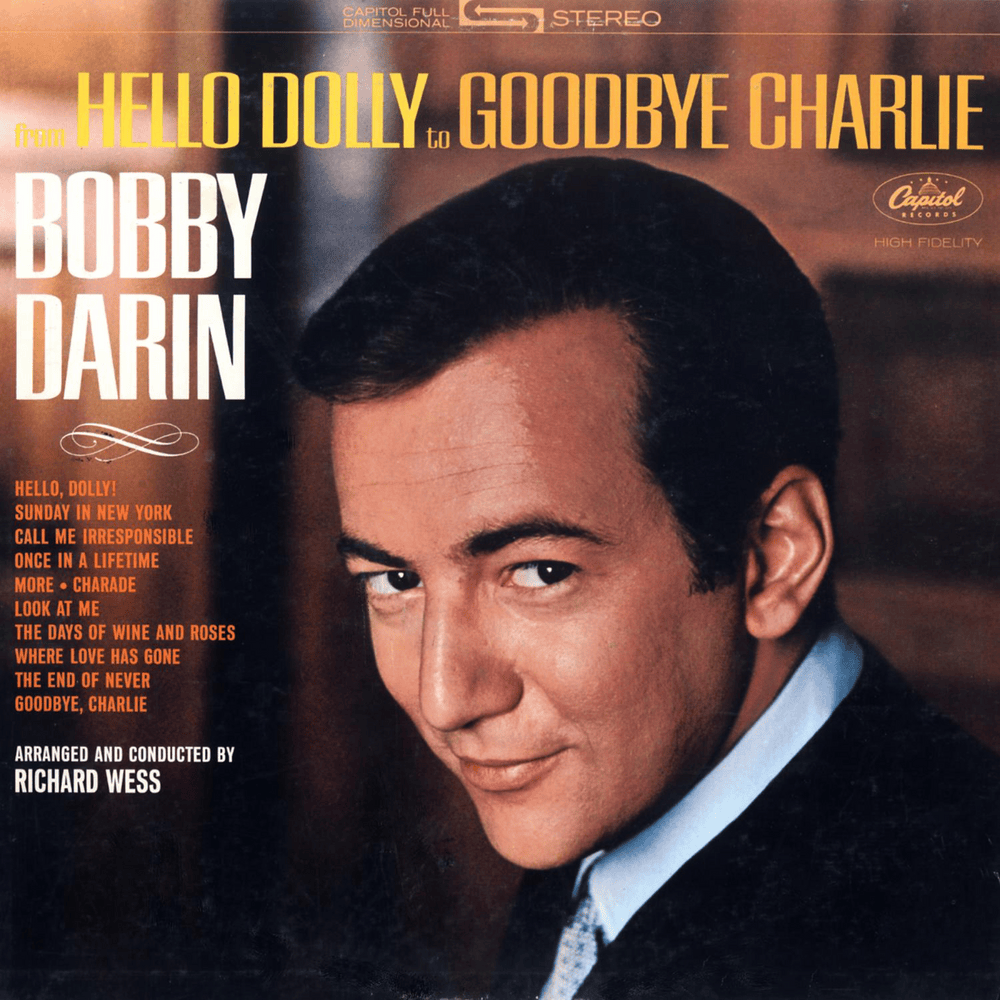
 View Artist