Poor Little Jesus
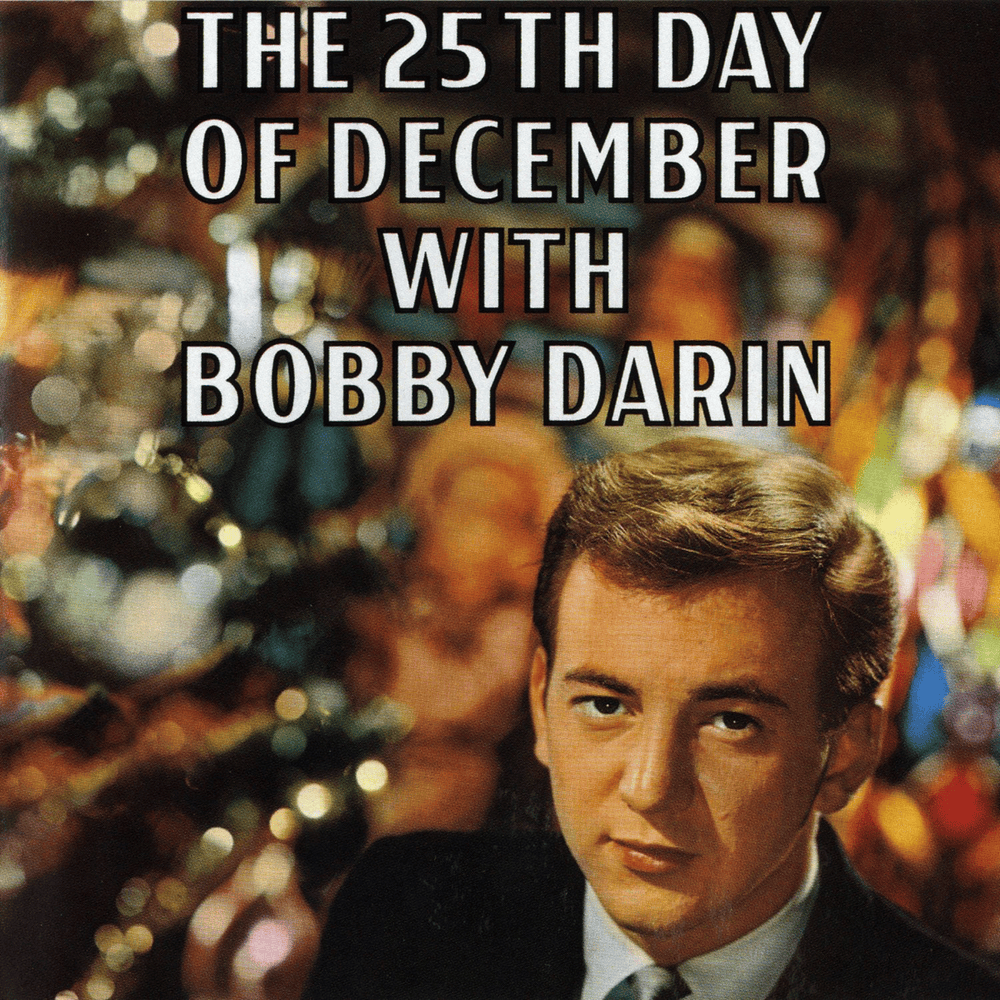
 View Artist
Lyrics
It was poor little Jesus He was born on Christmas Believe, they laid in a manger Now, wasn't that a pity and a shame, Lord Wasn't that a pity and a shame? It was poor little Jesus Yes, he laid in a manger Do you believe he had no cradle? I ask you, wasn't that a pity and a shame, Lord? Wasn't that a pity and a shame? Born to Mary, yes, yes Laid in the stable In the town of Bethlehem, yes, yes Laid in cradle I mean, poor little Jesus I'm talking about poor little Jesus Yeah, took his from his mother Wasn't that a pity and a shame, Lord? Wasn't that a pity and a shame? Jesus never had no cradle
Rate this song
0/5.0 - 0 Ratings
5
0.0% (0)
4
0.0% (0)
3
0.0% (0)
2
0.0% (0)
1
0.0% (0)
Loading comments...
Credits
- Writers
- Paul Campbell (The Weavers)
- Ronnie Gilbert
- Lee Hays
- Fred Hellerman
- Pete Seeger
- Traditional