Song Meaning
The lyrics paint a picture of profound, quiet exclusion. The narrator observes a world full of connection and comfort – "Ballads are being sung," "Church bells are being rung." Yet, a stark refrain follows each observation: "but not for me." This establishes a pervasive sense of being an outsider.
The core tension lies in the narrator's acceptance of their isolation without apparent bitterness. They state, "I am without love but I don't doubt love can be." This isn't a cynical dismissal of love's existence, but a resigned acknowledgment that it simply isn't their personal experience. The lyrics suggest a long-standing absence, noting, "I've never known love, or been shown love, you see."
The repetitive structure, listing common human experiences like "Poems are being read" and "Prayers are being said" before the isolating "but not for me," powerfully underscores the narrator's pervasive detachment. This isn't just about romantic love; it's about a broader exclusion from communal joy and spiritual solace. The consistent rhythm of these lines builds a quiet, almost mournful cadence, emphasizing the inescapable nature of this personal reality.
The emotional punch truly lands in the final verse, where the narrator shifts from observation to a definitive declaration. They instruct, "So let all of your singers sing but not for me," solidifying their chosen distance. The most striking moment arrives with the lines, "if tomorrow, all your sorrows should be / Just like mine then you cry but not for me." This isn't just about being denied joy; it's a refusal to even share in collective grief, cementing a complete, almost defiant, emotional self-containment. The emphatic "No, not me / Never for me" leaves a lasting impression of absolute, unyielding solitude.
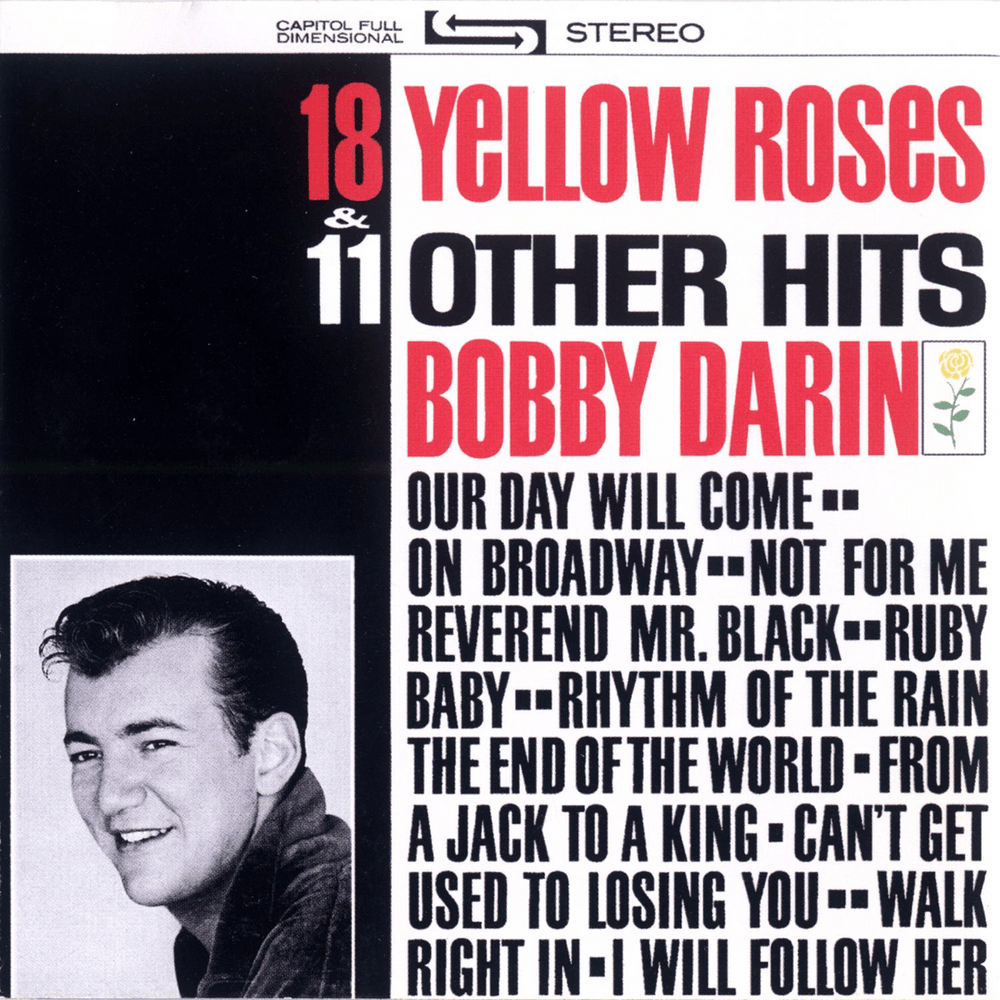
 View Artist