Song Meaning
These lyrics paint a vivid, melancholic picture of someone trapped in the aftermath of a love that failed. The scene is intimate and solitary: a person "hang[s] around the house" at night, consumed by regret. The dominant feeling is one of profound disappointment and a bitter sense of being unlucky in matters of the heart.
The central tension here lies in the cruel paradox of desire versus reality. The speaker acknowledges the universal human longing to "be in love" but immediately counters it with the painful question, "who wants to be in love in vain?" This sets up the core conflict: the yearning for connection met only with "misery and pain," especially when inflicted by someone once perceived as "wonderful."
The most striking craft element is the shift from an idealized vision to a grounded, almost comical, reality. The narrator's expectation of being "in heaven" is abruptly dashed by the admission, "but I'm only up a tree." This idiom perfectly captures the feeling of being stranded, foolish, and utterly stuck, a stark contrast to the blissful state they anticipated. The repeated phrase "in love in vain" acts as a heavy anchor, pulling the narrative back to this inescapable truth.
Ultimately, these lyrics hit hard because they articulate a deeply relatable experience of romantic disillusionment. The combination of vivid, almost physical descriptions of heartbreak—"eat your heart out," "cry your eyes out"—with the resigned, fatalistic declaration, "it's just my luck," creates a powerful sense of empathy. The simple, direct language and the final, echoing repetition of the core sentiment leave the listener with the lingering sting of unfulfilled hope.
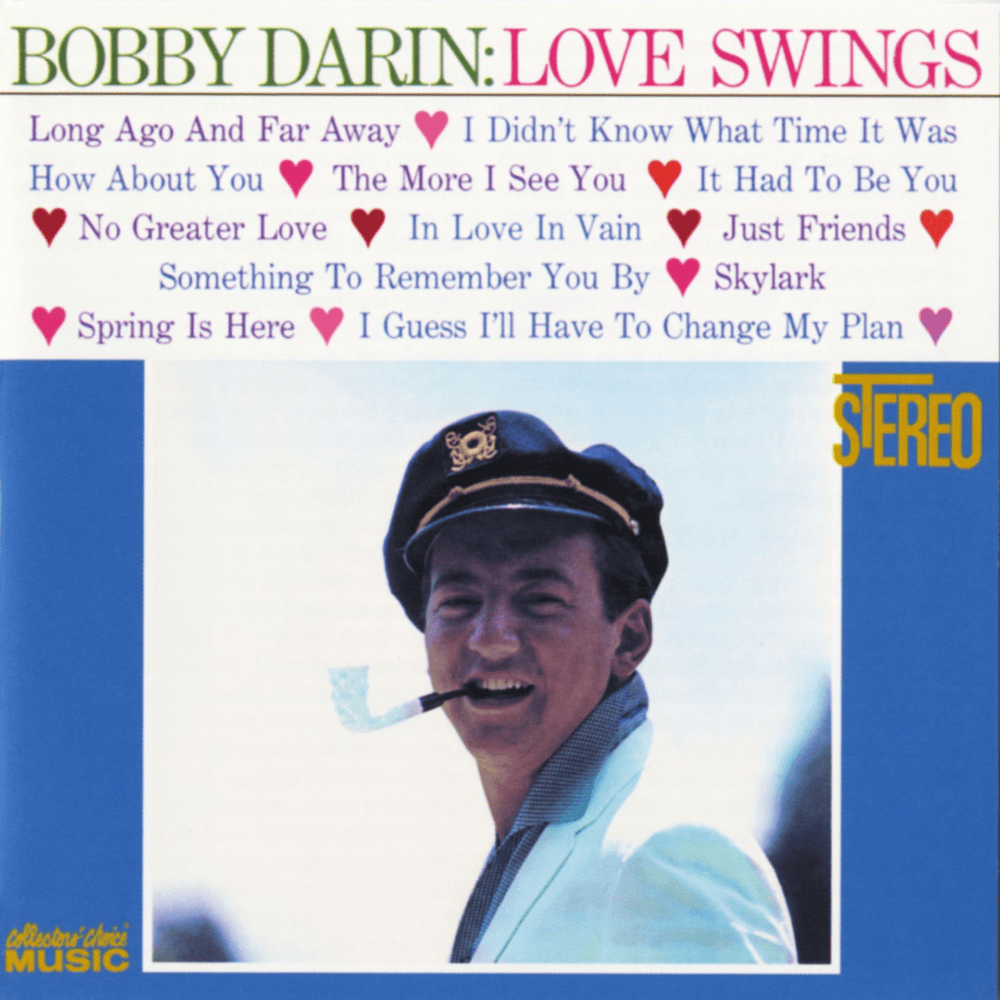
 View Artist