Song Meaning
The lyrics immediately establish a playful, liberating stance on human fallibility. They suggest that making mistakes isn't just acceptable, but a fundamental "right to be wrong," at least initially. The tone is light, almost whimsical, inviting a fresh perspective on error.
The core tension lies between the natural human inclination to cling to being right and the wisdom of acknowledging one's errors. The lyrics contrast the folly of those who "make believe that you're right" with the simple, strife-avoiding act of admitting fault. This sets up a conflict between stubborn ego and the peace found in humility, suggesting that avoiding conflict with "life" requires this self-awareness.
Much of the song's charm comes from its clever wordplay and use of familiar idioms. The playful internal rhyme of "dunce-like, once-like" adds a whimsical, almost childlike quality to the idea of initial blunders. Similarly, the image of "smilin' with egg on your face" redefines embarrassment as a sign of character, while the warning against "thin ice, twice" uses a common saying to underscore the lesson learned from initial mistakes. These linguistic choices make the message both memorable and approachable.
What makes these lyrics particularly effective is their journey from simple permission to passionate advocacy. It moves from a general "everybody has the right" to a personal, emphatic declaration: "I'd fight, fight for the right to be wrong." This shift transforms a general observation into a deeply held conviction, making humility not just a virtue, but a source of "real delight to be." The song ultimately champions self-acceptance and the liberating power of owning one's imperfections.
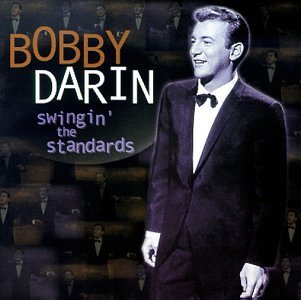
 View Artist