Song Meaning
This track opens with a series of aphorisms, setting a tone of gentle, almost folksy wisdom. The narrator frames reluctance to love as a kind of self-inflicted misfortune, suggesting that withholding affection is ultimately detrimental to the one doing the withholding. Phrases like "ill wind that blows no good" and "sad heart that won't love" establish a moral or emotional imperative: love, and sharing it, is the natural, healthy state. The immediate emotional texture is one of empathetic observation, tinged with a subtle plea.
The central tension arises from the contrast between the narrator's outward-looking pronouncements and the underlying personal desire. While the lyrics speak broadly about the nature of love and loneliness, the repeated refrain "it's a shame if you don't share your love with me" grounds these observations in a specific, unfulfilled yearning. The narrator appears to be using these general truths as a way to persuade someone, or perhaps themselves, that opening up is the only sensible, non-painful path forward, especially when that opening up benefits the narrator directly.
The most striking craft element is the persistent use of conditional statements and contrasts, building a case through a series of "if not this, then that" scenarios. The lyrics posit that not loving is inherently "sad" and "bad," and that ignoring the opportunity for connection is akin to willful blindness ("no one blinder than he who won't see"). This rhetorical strategy aims to make the act of sharing love seem not just desirable, but the only logical, positive choice available, framing the alternative as a form of self-imposed suffering.
Ultimately, the effectiveness of these lyrics lies in their disarming simplicity and the subtle emotional manipulation at play. By presenting a universal truth about the benefits of love and connection, the narrator makes a deeply personal request feel like an obvious, almost inevitable conclusion. The repeated, direct plea, softened by the preceding platitudes, creates a compelling, if slightly manipulative, appeal that highlights the narrator's own loneliness and desire for reciprocation.
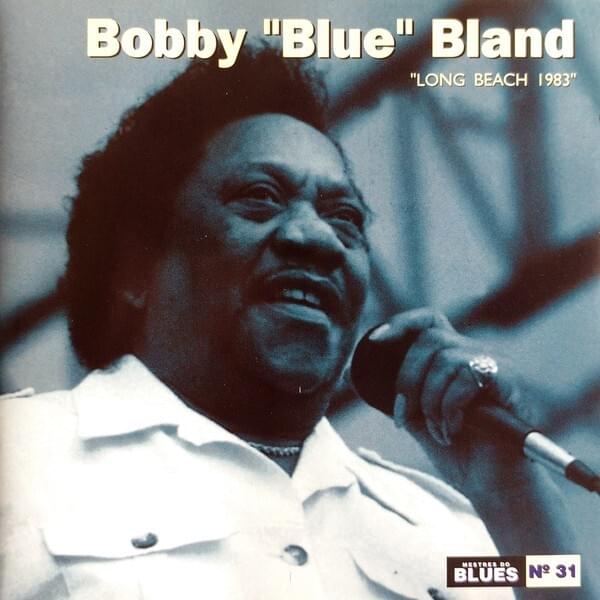
 View Artist