Song Meaning
The narrator acknowledges a painful truth: their love is no longer the primary one, and the object of their affection deserves freedom. This recognition, however, doesn't bring release. Instead, it solidifies a sense of being trapped by the sheer duration and intensity of their own feelings. The repeated phrase "I'm too far gone" acts as a stark, unyielding declaration of this emotional state.
The core tension lies between the rational understanding that the relationship is over and the overwhelming, irrational pull of past love. The narrator admits "you have a right to be free" and "that's the way it should be," but this logic is immediately overridden by the visceral reality of their own deep-seated affection. This internal conflict between head and heart is the engine of the song's melancholy.
The lyrics employ a simple, direct structure that mirrors the narrator's resigned yet persistent emotional state. The repetition of "too far gone" and "loving you" hammers home the inescapable nature of their feelings. The conditional offer of comfort to a new lover – "If ever your new love / Should hurt you" – is particularly poignant, revealing a desperate, almost masochistic desire to remain a part of the beloved's life, even in a secondary, sorrowful role.
This song hits hard because it articulates a specific kind of heartbreak: the one where you intellectually accept the end, but your heart refuses to catch up. The raw, unadorned language and the relentless refrain create a powerful sense of being stuck in a love that has outlived its purpose, a feeling that resonates deeply with anyone who has experienced the lingering ache of a past relationship.
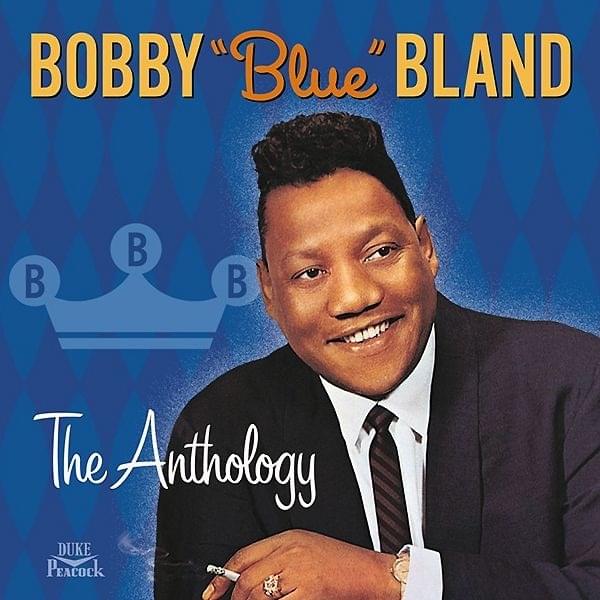
 View Artist