Song Meaning
The narrator is caught in a cycle of self-reflection and regret, observing a sleeping partner while wrestling with their own internal struggles. There's a palpable sense of restlessness, a feeling that despite past actions, a crucial understanding remains out of reach. The repeated idea that "There's so much I still need to learn" anchors this feeling of inadequacy and ongoing personal development, suggesting a deep-seated awareness of their own shortcomings.
The central tension lies in the contrast between the partner's enduring love and the narrator's perceived inability to reciprocate fully or appropriately. The narrator acknowledges this love is "more than I should ask," yet questions why the partner remains sad, implying the narrator's actions or inactions are the cause. This internal conflict is amplified by the admission, "I know I'm not trying baby / Well only when I'm missing you," revealing a pattern of engagement that is reactive rather than proactive, fueled by absence rather than presence.
The most striking aspect of the craft is the recurring motif of "learning again." This isn't just about acquiring new knowledge; it's about a fundamental re-education of the self, a process the narrator seems to initiate only when the partner is absent or when facing personal "demons." The lyrics suggest this is a solitary endeavor, as the narrator states, "I'll be waiting here alone / To learn it all again." This isolation, coupled with the difficulty of the process – "Sometimes it's hard to learn again" – paints a picture of a painful, self-imposed struggle for self-improvement.
Ultimately, the effectiveness of these lyrics stems from their raw honesty about personal failing and the difficulty of genuine change. The narrator doesn't offer easy answers or grand gestures; instead, they articulate a quiet, persistent struggle with their own nature. The admission that "It's never about you baby / It's just me who has so much to learn" is a powerful, albeit painful, moment of self-awareness that resonates with anyone who has grappled with their own capacity for love and growth.
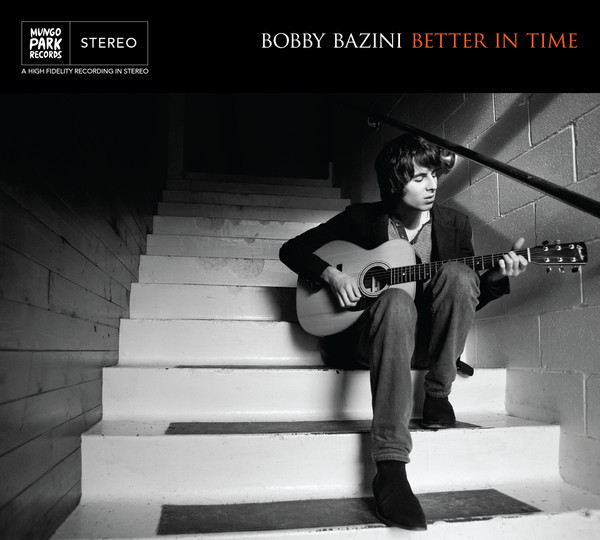
 View Artist