Song Meaning
The narrator is stuck at a railroad station, a place of transit, but feels unable to move forward. The dominant mood is one of weary resignation, tinged with a sense of futility and burden. The repeated phrase "watching the trains go by" underscores this passive observation of life passing them by, while their own suitcase sits by their side, a symbol of potential departure that never materializes.
The lyrics paint a bleak picture of familial struggle and the narrator's perceived role within it. Lawyer Jabob's wife is expecting, yet he's confused about the timing, hinting at complex personal dramas beyond the narrator's immediate control. Meanwhile, the narrator feels like a drain on their own family: "They'd be better off without me / one less mouth to be fed." This feeling is compounded by the knowledge that their brother, John, is in jail, and the narrator's attempts to help him "done no good."
The most striking aspect is the contrast between the potential for escape represented by the trains and the narrator's profound inertia. The "dusty farmroad" and "thirsty mind" suggest a parched existence, yet the trains, symbols of movement and distant destinations, are merely observed. This passivity isn't necessarily a choice but an outcome of overwhelming circumstances and a deep-seated feeling of inadequacy, making the station a permanent, albeit unwanted, fixture.
This creates a powerful emotional resonance through its stark depiction of helplessness. The lyrics don't offer grand pronouncements but ground the feeling of being trapped in specific, relatable struggles. The quiet despair of "watching the trains go by" captures a specific kind of heartache – the pain of seeing possibilities and feeling utterly incapable of seizing them, weighed down by a life that feels both burdensome and unchangeable.
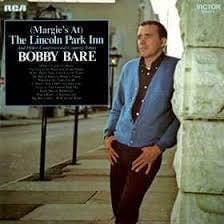
 View Artist