Song Meaning
Bobbie Gentry's "Two Ways" unfolds as a deceptively simple pastoral reflection, but beneath its surface lies a potent exploration of self-discovery and liberation. The opening lines, evoking a 'poor young country boy, mother nature's son,' immediately position the narrator within a realm of natural simplicity, a kind of pre-social innocence. The act of 'sittin' singin' songs for everyone' suggests a desire for connection, yet also hints at a performance, a curated presentation of self to the outside world. The subsequent imagery of a 'mountain stream' and its 'pretty music' reinforces this connection to the natural world, a space of solace and perhaps even inspiration. But the repeated invocation of nature also hints at a yearning for something more authentic, a life lived beyond the gaze of others.
The interpolation of the Beatles' "Blackbird" is where the song truly takes flight. The lyrics, 'Take these broken wings and learn to fly,' and 'Take these sunken eyes and learn to see,' act as a direct call to personal transformation. This isn't merely about escaping a physical location but about transcending an internal state of limitation. The phrase 'waiting for this moment to arise' speaks to a latent potential, a dormant self yearning for expression. The 'dead of night' in which the blackbird sings is significant; it's a space of darkness, of hidden truths, where transformation can occur away from the judging eyes of daylight.
The song circles back to the initial imagery of 'a field of grass' and singing 'beneath the sun,' but now imbued with a deeper resonance. The 'swaying, dazing' quality suggests a surrender to the moment, an acceptance of the self discovered through the journey alluded to in the 'Blackbird' interlude. The lazy song is no longer just a performance but an authentic expression of a soul finding its freedom within the natural world. Gentry subtly underscores that liberation isn't a singular event, but a continuous process of becoming, a dance between external presentation and internal truth.
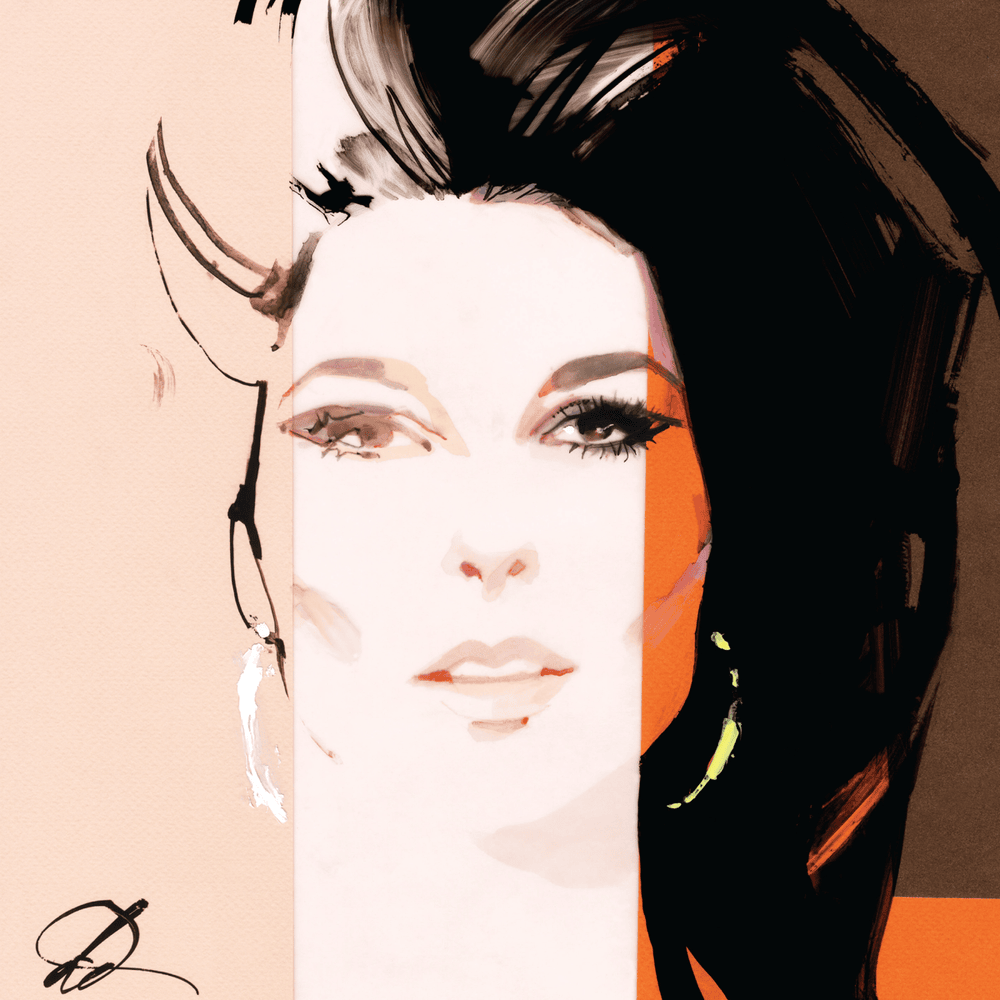
 View Artist