Song Meaning
Bobbie Gentry's take on "Big Boss Man" isn't just a bluesy complaint; it's a sly, subversive jab at authority. The song meaning centers on the power dynamic between a worker and their exploitative supervisor, but Gentry infuses it with a distinctly feminine, and feminist, undercurrent. The repeated refrain, "Big boss man, can't you hear me when I call?" drips with sarcasm. It's not a genuine plea for attention, but a rhetorical question highlighting the boss's deliberate ignorance and indifference to the worker's needs. The line "Oh, you ain't so big, you're just tall, that's all" is the lyrical dagger, cutting the boss down to size, exposing his inflated ego as mere physical stature rather than genuine competence or moral authority.
The verses amplify this critique. The relentless work schedule, the denial of basic needs like a drink of water, paints a picture of a petty tyrant drunk on power. But the second verse reveals the worker's quiet rebellion. The promise to "get myself a boss man, one gonna treat me right" isn't just a job search; it's an assertion of agency and self-worth. It's a refusal to be defined by the oppressive system. The subtle hint of nighttime rest suggests a desire for a more equitable relationship, hinting at a deeper need for respect and consideration beyond the workplace.
Ultimately, Bobbie Gentry's rendition of "Big Boss Man" transforms a simple blues lament into a potent commentary on power, gender, and the quiet resistance of the working class. It's a reminder that even within seemingly insurmountable hierarchies, the individual retains the power to recognize, and ultimately challenge, the 'big boss man' who is really just 'tall, that's all.' The song subtly exposes the psychological games at play, where perceived authority crumbles under the weight of clear-eyed observation and a refusal to be intimidated.
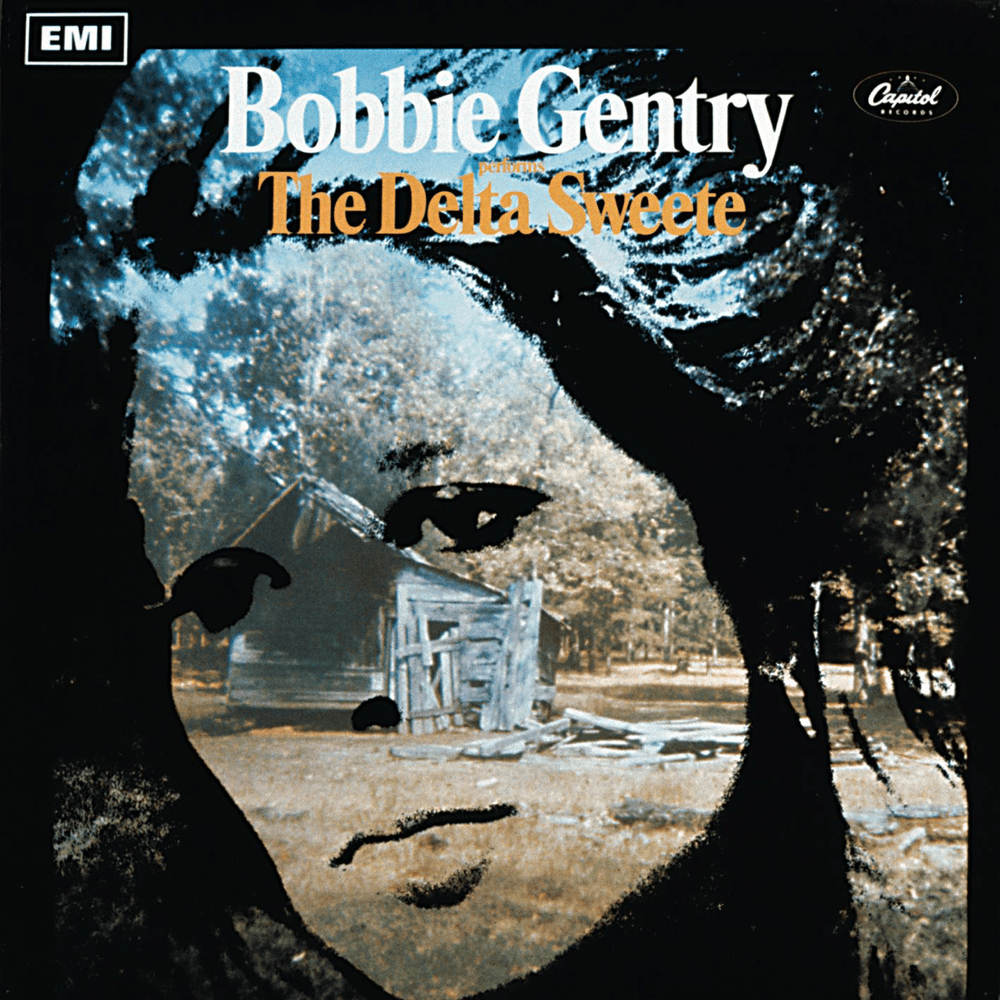
 View Artist