Song Meaning
The narrator lays bare a life teetering on self-destruction, confessing to drug use and a disturbing entanglement with a young woman also high on substances, who is now driving their truck. This isn't a plea for sympathy, but a defiant declaration of autonomy, a raw assertion that their choices, however grim, are their own. The repeated "I don't care, I live the way I wanna" acts as a mantra against any judgment.
The central tension lies in the narrator's defiant embrace of their chaotic existence versus an implied external judgment. The chorus, "You think you're better than me," highlights this conflict, positioning the narrator as an outsider, perhaps even an alien, who refuses to conform. They declare themselves "a beast," not a man, further distancing themselves from societal norms and expectations. This self-identification as something primal and untamed fuels their rejection of conventional morality.
The most striking aspect is the stark contrast between the narrator's self-professed "beast" nature and the almost resigned acceptance of their eventual demise: "One day they'll lay me down to rest." This juxtaposition suggests a profound weariness beneath the bravado, a recognition of mortality that doesn't deter their current path. The phrase "I apologize for nothing" solidifies this unrepentant stance, framing their life as a series of actions for which they take no responsibility to others, only to themselves.
This lyrical approach is effective because it forces the listener to confront uncomfortable truths without offering easy answers. The raw, almost nihilistic honesty, coupled with the defiant repetition, creates a powerful sense of a life lived at the edge. The narrator's refusal to apologize or explain, instead embracing their "beast" identity, makes their self-destructive path feel like a deliberate, albeit grim, choice, leaving the listener to grapple with the implications of such unbridled freedom.
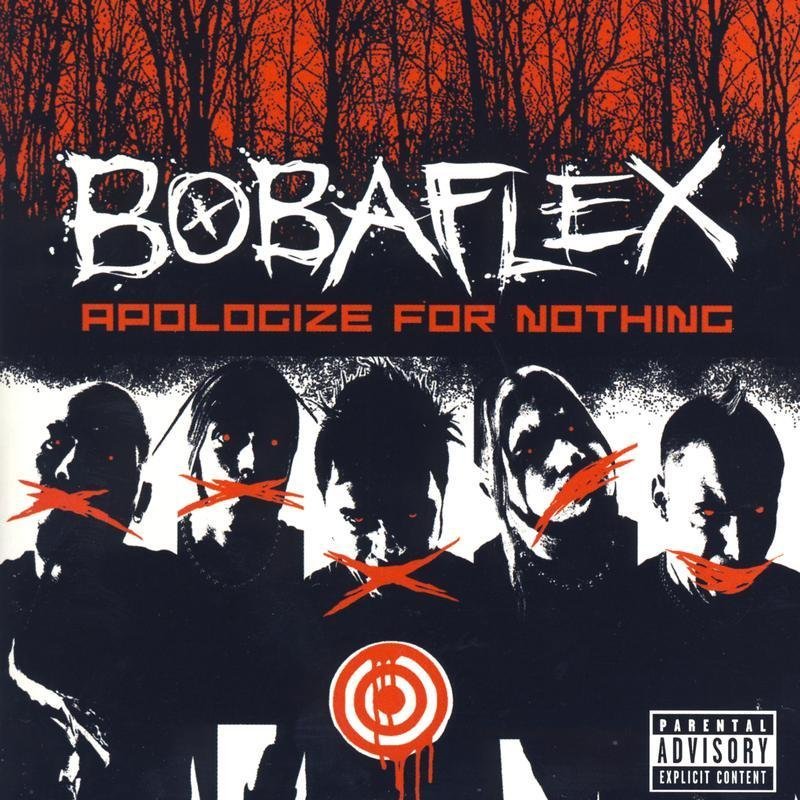
 View Artist