Song Meaning
Bob Welch’s "Don't Wait Too Long" isn't just a catchy melody; it's a psychological portrait of ambition's Faustian bargain and the creeping dread of unrealized potential. The song circles around a central figure, likely a celebrity or someone who achieved fame, now haunted by a recurring dream that snatches away everything they craved. This dream isn't literal; it's the slow-burn realization that success, however dazzling, doesn't guarantee fulfillment. The lyrics paint a picture of someone trapped, a 'prisoner' learning to lie, perhaps to themselves and the world, about the true cost of their choices.
The chorus is the song’s anxious heart. The 'two-headed coin' symbolizes the duality of fate—the promise of reward versus the risk of stagnation. The adage 'good things come to those who wait' is flipped on its head, becoming a warning. It suggests that passive hope can morph into paralyzing regret. Welch keenly observes how time erodes opportunity, highlighting the internal conflict of someone who has achieved external validation but is internally withering. The lines 'Now that you're famous, now that you're rich / You'd love to be young, but you can't find that switch' are particularly brutal, capturing the bittersweet truth that material success can't rewind the clock or recapture lost chances.
Ultimately, "Don't Wait Too Long" explores the universal fear of being left behind by life itself. It’s a cautionary tale about the importance of seizing the moment and the danger of postponing dreams until they become unattainable. The song's resonance lies in its understanding of the human psyche—the way ambition can both drive and destroy, and how the pursuit of external goals can sometimes lead to internal emptiness. It's a stark reminder that the most valuable things in life—youth, opportunity, genuine connection—are often fleeting, and waiting for the 'perfect' moment might mean missing them altogether.
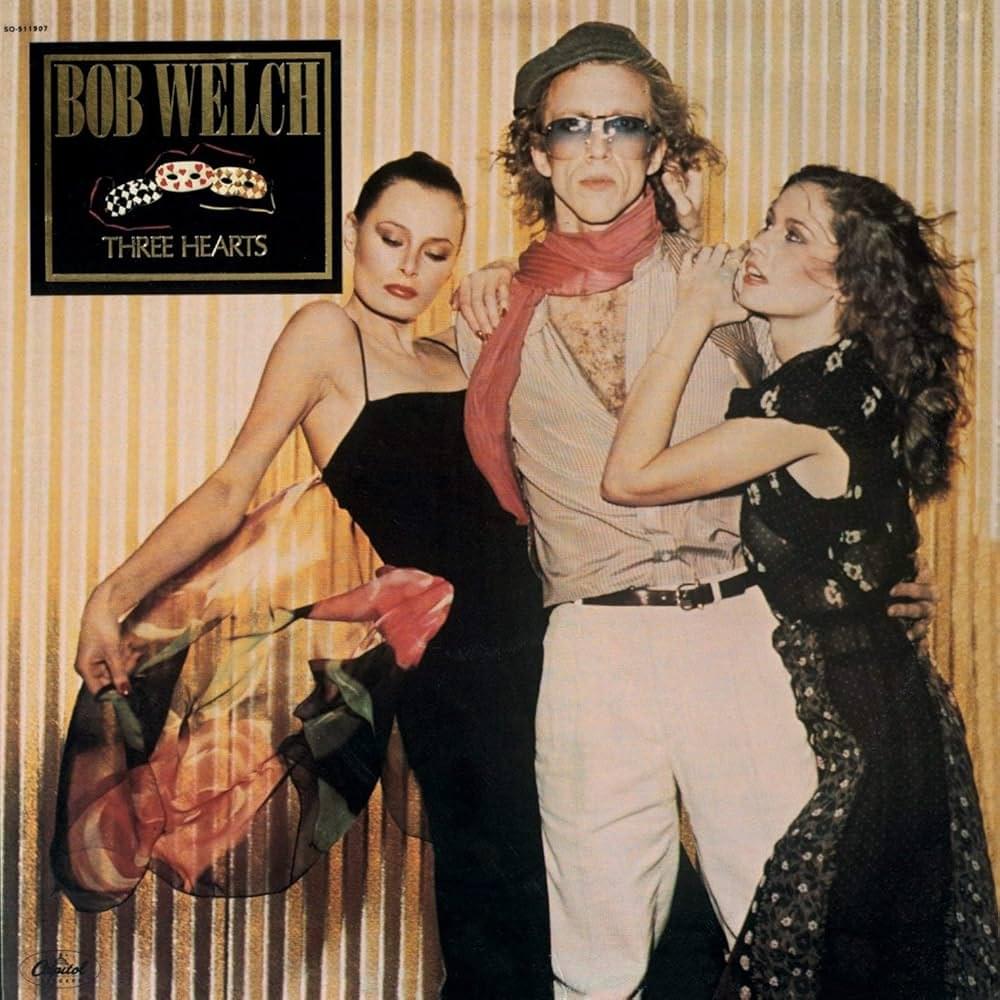
 View Artist