Song Meaning
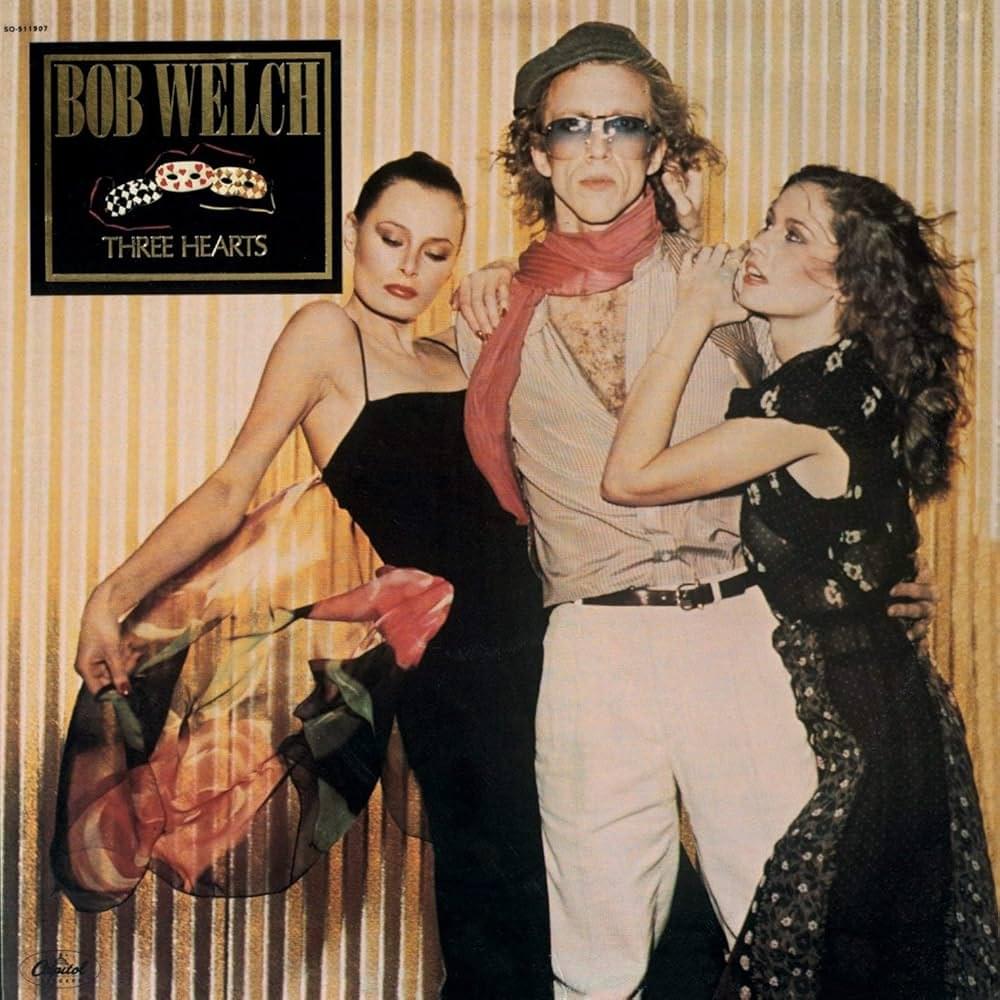
Bob Welch's "3 Hearts" isn't just a song; it's a masterclass in relationship dysfunction, set to a deceptively catchy tune. The core concept revolves around a love triangle, but Welch elevates it beyond simple infidelity into a commentary on human desire and the inherent instability of such arrangements. The repeated line, "3 hearts in a tangle," acts as both a warning and a lament, encapsulating the inevitable chaos that ensues when three individuals become romantically intertwined. The lyrics suggest a cyclical pattern of attraction, betrayal, and regret. Someone is always "burned," someone is always "in the dark," highlighting the imbalance of power and knowledge within the triangle. The song's genius lies in its refusal to assign blame. As Welch sings, "3 hearts in a tangle, nobody's right..." acknowledging the shared responsibility in the unfolding drama.
The song delves into the motivations that drive these characters. One is driven by "money," another by the "show," and the third is simply always "ready," implying a spectrum of needs and vulnerabilities that contribute to the entanglement. The lyrics hint at a transactional nature to some of these relationships, where love is not the sole currency. This adds a layer of cynicism, suggesting that these characters are not merely victims of circumstance but active participants in their own emotional downfall. The line "There's always a back door if you wanna be bad" acknowledges the temptation and the ease with which boundaries can be crossed.
Ultimately, "3 Hearts" paints a bleak picture of love and relationships. The song implies that such triangles are inherently unsustainable, leading to suspicion, isolation, and a pervasive sense of unease. The recurring question, "Where did you spend the night?" speaks volumes about the erosion of trust and the constant anxiety that plagues those involved. The final verse, with its imagery of pointing fingers and isolation ("you're all left alone"), suggests that there are no winners in this game. The song's true meaning is not just about the mechanics of a love triangle, but about the deeper psychological forces that drive individuals into these complicated and ultimately destructive arrangements.
 View Artist