Song Meaning
Bob Seger's "Black Eyed Girl" isn't a straightforward love song; it's a bluesy, regret-tinged portrait of a relationship defined by contradiction and the enduring power of memory. The opening lines establish a past tense, a wistful recollection of a woman the narrator was deeply enamored with. But this isn't simple nostalgia. The repetition of "once had a woman" emphasizes the loss, a distancing that hints at a deeper wound. The seemingly casual observation of her with another man, holding his hand, cracks the idealized image, revealing a betrayal that lingers. The line "Ooh Lord, she was a mean kind" hints at a complexity beyond simple infidelity, suggesting a perhaps manipulative or emotionally unavailable nature. The central question in Seger's "Black Eyed Girl" lyrics analysis becomes: why does this memory still hold such sway?
The bridge, with its conflicting declaration that "she was a good woman, yeah / Nothing wrong with her," offers a crucial insight. It's not that she was inherently evil, but rather "a little bit wild but alright." This internal conflict – the simultaneous recognition of her flaws and the stubborn insistence on her inherent goodness – speaks to the narrator's own struggle to reconcile the idealized image with the reality of their relationship. He knows, logically, that she wasn't perfect, but his heart refuses to fully let go of the positive aspects, the "good" that he saw in her. This push and pull between rational understanding and emotional attachment forms the core of the song's meaning.
The final verse reveals the lasting impact of this relationship. The narrator claims to be "older and a whole lot wise / And I'm real good at tellin' lies," suggesting a defense mechanism built from the ashes of heartbreak. Yet, he admits he can never forget her, solidifying the "Black Eyed Girl" song meaning as being about a haunting, inescapable memory. Despite the passage of time and the acquisition of wisdom (or at least the ability to deceive), she remains etched in his mind. The repetition of "She's still free comin' after you / She's still free come in love too" is particularly intriguing. It could be interpreted as a warning, a cautionary tale to others who might fall under her spell. Or, perhaps more subtly, it reveals a lingering hope that she might one day return, still free to choose him, still capable of love. The enduring power of this complicated, imperfect love is what ultimately defines the song's emotional resonance.
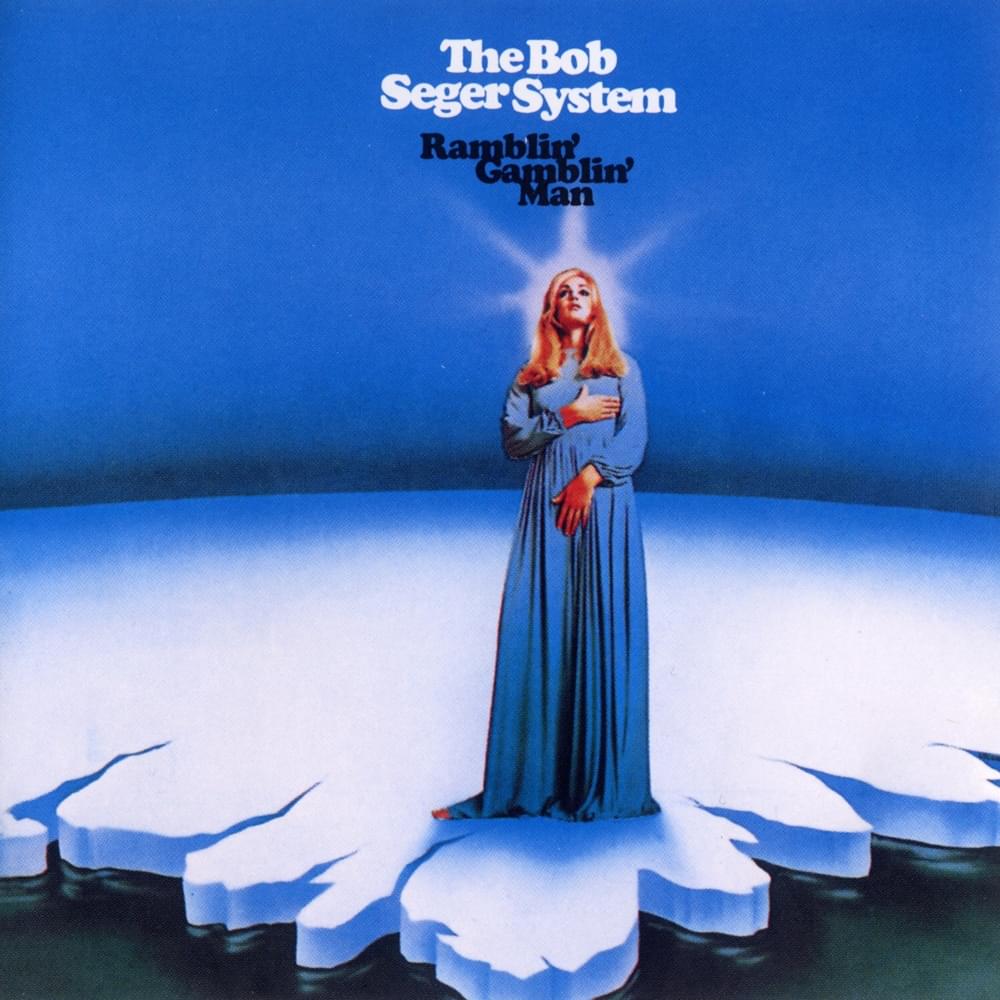
 View Artist