Song Meaning
Bob Mould's "Lucifer and God" is a gnomic blast of frustration, a tightly wound spring of disillusionment released in under three minutes. The lyrics, impressionistic and fragmented, hint at a struggle for control, a battle between opposing forces both within and without. The opening lines, "Crucified, where's your money? You decide, you always try," immediately establish a sense of betrayal and exploitation, painting a picture of someone trapped and manipulated. The "poison in your soul" suggests a deep-seated corruption, while the "rabbit hole" alludes to a descent into madness or addiction. This feels like a scathing indictment of someone's destructive behavior, possibly Mould confronting his own demons or observing the self-inflicted wounds of another.
The recurring motif of fire—"let the fire grow," "setting another fire," "put the fire in"—is particularly potent. Fire can represent passion, destruction, purification, or rebirth. In this context, it seems to embody a destructive force, fueled by ego and a refusal to "let it go." The central image of "Lucifer and God" having settled suggests a reconciliation of opposing forces, but it's a tainted peace, "always tied" to the cycle of conflict. It's not about absolute good versus evil, but about the tangled, inseparable nature of these concepts within the human experience. The speaker seems to be caught in the crossfire of this internal war.
The song's power lies in its ambiguity. Mould doesn't offer easy answers or resolutions. Instead, he presents a raw, unflinching portrait of internal conflict and the struggle to find meaning in a world where "it's all been done to death." The repeated questioning—"Who's setting another fire? And who will sit with Father Time?"—underscores the sense of disorientation and the search for accountability. Ultimately, "Lucifer and God" is a visceral exploration of the duality within us all, and the corrosive effects of unchecked ego and unresolved conflict.
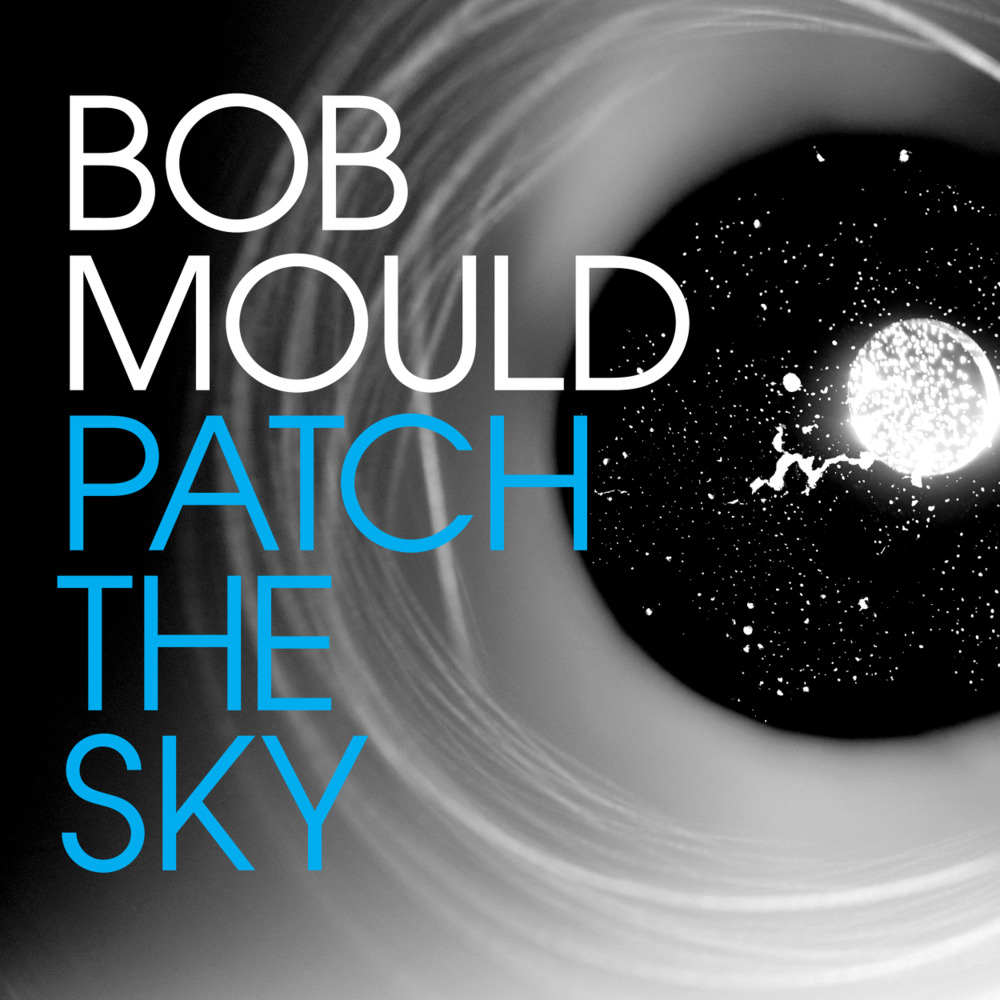
 View Artist