Song Meaning
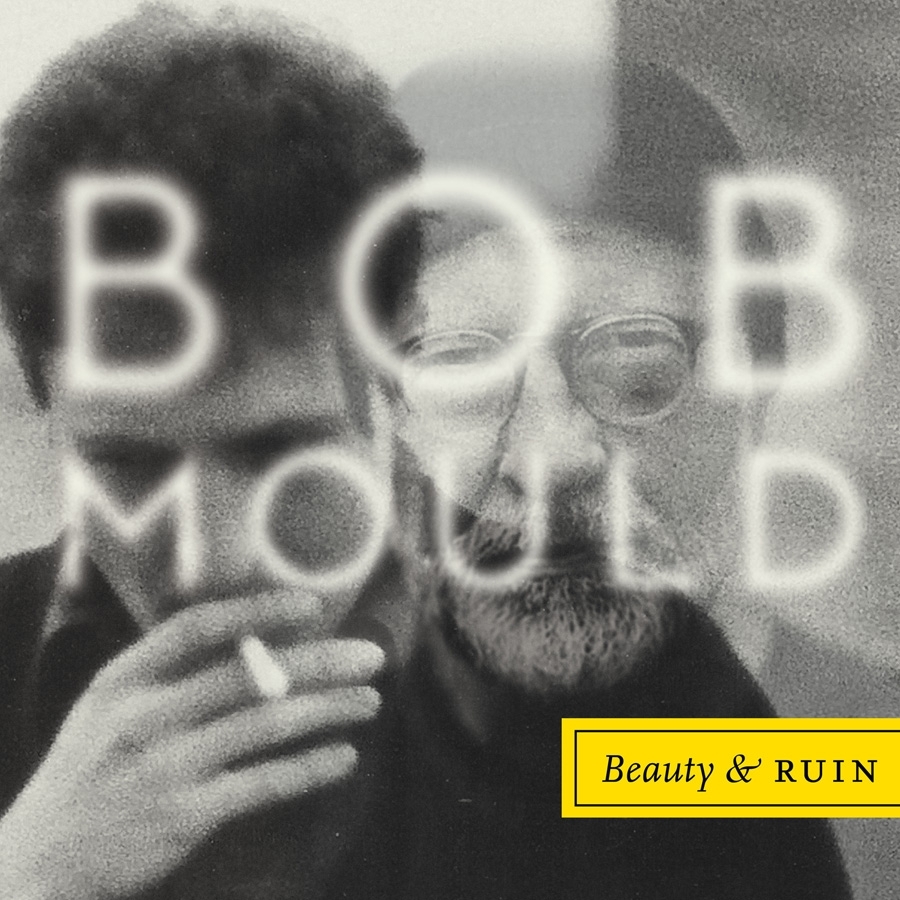
Bob Mould's "Low Season" isn't just a song; it's an emotional weather report from the depths of a personal winter. The song meaning revolves around a period of desolation, a stark landscape where joy is scarce and the will to persist dwindles. Mould, a master of sonic catharsis, paints a picture of bleakness with lines like "Low season turn the sunlight down / No reason left to stay around," evoking a sense of profound resignation. It's a portrait of depression, not as a fleeting sadness, but as an entrenched state of being.
The lyrics analysis reveals a cyclical pattern of self-destruction and disillusionment. The image of "pulling the poison out, drink the pain away" speaks to a reliance on coping mechanisms that ultimately exacerbate the underlying suffering. The phrase "chances that I wasted in my unforgiving days" carries a heavy weight of regret. There's a sense of being trapped in a destructive loop, haunted by past mistakes and unable to find a path forward. The mention of someone who "bleed[s] my spirit dry" suggests a toxic relationship, a parasitic connection that further drains the speaker's vitality.
"Low Season" also touches on the existential void that often accompanies depression. The lines "I couldn't tell what life was for / Getting high doesn't do it anymore" point to a loss of meaning and purpose. The pursuit of temporary escapes proves futile, leaving the speaker feeling even more empty and disconnected. The final lines, "Welcome to the end of the show that never ends," offer a bleak commentary on the cyclical nature of suffering, suggesting that this "low season" may be an ongoing state rather than a temporary setback. The rawness of the lyrics, combined with Mould's signature sonic intensity, makes "Low Season" a compelling, albeit unsettling, exploration of the darker corners of the human experience.
 View Artist