Song Meaning
Bob Mould's "Lost Zoloft" is less a song and more a pressure-cooked psychodrama distilled into three minutes of jagged guitar and lyrical shrapnel. The title itself hints at the core anxiety: a medication-muted existence disrupted, defenses lowered, primal urges resurfacing. The opening lines, "You think you know the animal until you strike a certain nerve / A latent homosex become so violent when provoked and now obscured," immediately plunges us into a realm of repressed desires and triggered aggression. It's a brutal acknowledgement of the volatile potential simmering beneath a veneer of normalcy, suggesting a forced or medicated repression of core identity. The "latent homosex" isn't necessarily about sexuality, but about the broader suppression of authentic self.
The chorus, with its repeated lament "Someone as beautiful as you would never look at me / Lost zoloft, lost zoloft," lays bare the vulnerability at the heart of the song. It’s a stark expression of self-doubt and perceived unworthiness, amplified by the feeling of being adrift without the numbing effects of medication. This isn't just romantic rejection; it's a deeper fear of being unseen and unaccepted for who one truly is. The lines about "Miss America" and the "Chelsea queen with tambourine" suggest an unattainable ideal, a fantasy that further underscores the speaker's sense of inadequacy. These figures represent different facets of desirability, both mainstream and alternative, yet remain equally out of reach.
The final verse introduces a disturbing element of physical violence and desperation. "You punch my face again / I'll have to call the State Police" juxtaposes personal pain with the threat of legal intervention, highlighting the precarious balance between self-control and explosive rage. The line "I need my fingers fro my work / Brush the dirt stains off your knees" hints at a creative pursuit, perhaps songwriting itself, threatened by this internal turmoil. The "dirt stains" could symbolize both literal transgression and the metaphorical grime of suppressed desires finally bubbling to the surface. Ultimately, "Lost Zoloft" is a raw, unflinching exploration of identity, desire, and the struggle to maintain control in the face of inner demons.
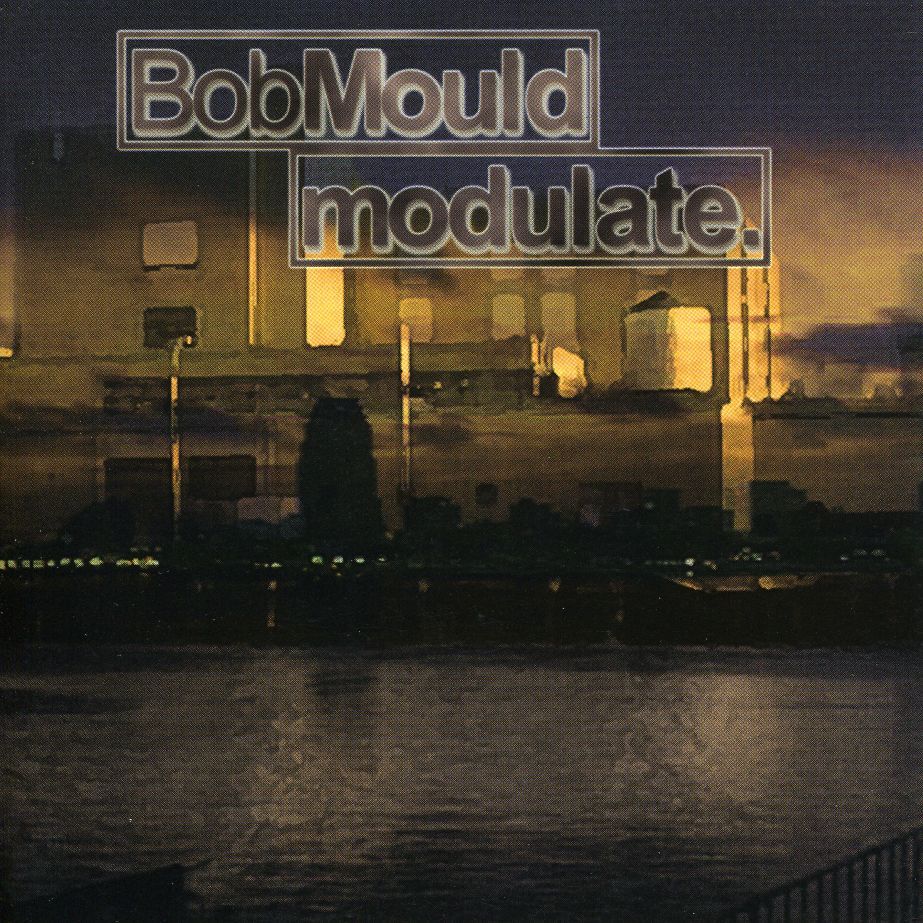
 View Artist