Song Meaning
Bob Mould's "Losing Time" isn't just about the passage of time; it's a raw, exposed nerve of acceptance in the face of inevitable decay. The song confronts mortality and the dissolution of connection with stark simplicity. It's not a lament, but a bracing acknowledgment of fading away, both physically and emotionally. The opening lines, "I don't wanna waste the chance / The last embrace / Face to face," immediately set a tone of urgency and finality. It's a goodbye, delivered with an almost detached sense of resignation. The repeated image of fading—"Fade to black / Fade to grey"—underscores the relentless nature of this decline. It's not a dramatic collapse, but a gradual erosion, a slow leak of vitality. Mould distills the human experience into this core idea. The lyrics are not overly descriptive, but they are poignant, capturing a universal fear of disappearing and of being forgotten.
The chorus, a repetitive mantra of "Losing time, lose my mind again," suggests a cyclical struggle with this awareness. It's as if the realization of mortality isn't a one-time event, but a recurring wave that crashes over the singer, threatening to overwhelm him. This repetition creates a hypnotic effect, drawing the listener into the singer's internal turmoil. The instruction, "When you see me walk away / Don't look back / Fade away," is both a plea and a command. It's a desire to protect the other person from witnessing his decline, but it's also an acceptance of his own fate. This is a song about minimizing the pain of separation, not denying the reality of it.
Ultimately, the song's meaning resides in its stark honesty. Mould isn't offering comfort or false hope; he's simply presenting the reality of loss and decay with unflinching directness. The "ashes of our past" raining down symbolize not just the end of a relationship, but the ephemeral nature of all things. The song taps into a deep vein of human vulnerability, resonating with anyone who has faced the prospect of their own mortality or the loss of someone they love. It’s a testament to Mould's ability to distill complex emotions into deceptively simple lyrics, creating a powerful and lasting impact.
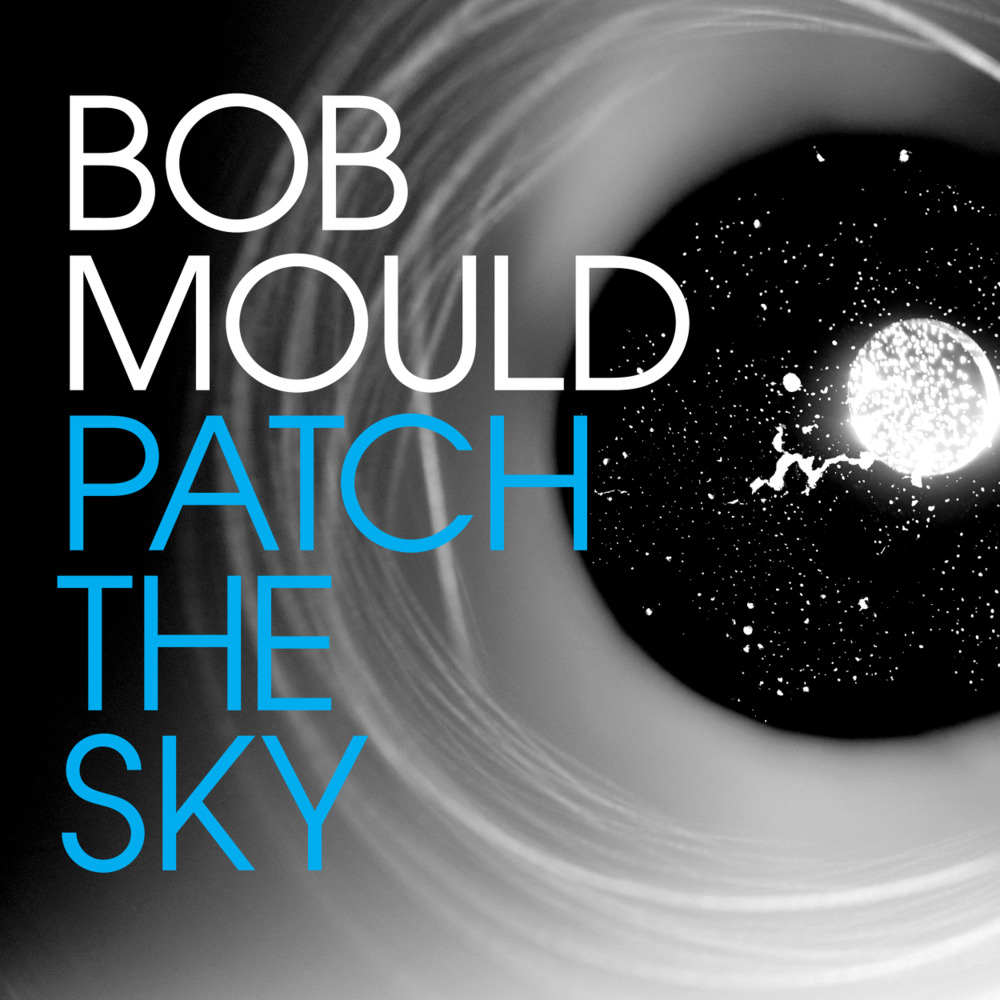
 View Artist