Song Meaning
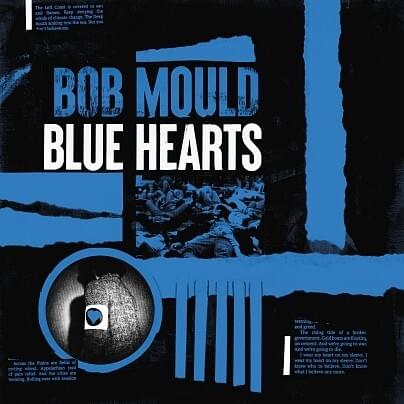
Bob Mould's "ADHD" isn't a literal diagnosis; it's a raw, unflinching self-portrait of a mind in perpetual motion, grappling with time's relentless march. The song meaning circles around the push and pull between disintegration and rediscovery, a theme immediately established by contrasting opening lines: "The last few years have been so frustrating/I lose little pieces of myself each day" versus "The last few years have been so amazing/I find little pieces of myself each day." This duality isn't a contradiction but a reflection of the fragmented experience of aging, of oscillating between feeling lost and momentarily whole. Mould isn't just describing getting older; he's dissecting the psychological impact of a life lived intensely. The refrain "I found little pieces of myself each day" acts as both a mantra of hope and a melancholic acknowledgement of what's been lost. It suggests an ongoing, active process of self-reclamation, a constant sifting through the wreckage of time.
The lyrics hint at a struggle to reconcile past and present selves. The lines "Child became the man I know/Man becomes a memory/Stories told in voices of the child in me" speaks to the enduring presence of the past within the present. There's a sense of yearning for simpler times, a recognition that the "child" still resides within, shaping perspectives and informing decisions. The questions "Where do you wanna go?/What do you wanna do?/Maybe we'll stay at home/Does that sound good to you?" add another layer, hinting at a desire for connection and stability amidst internal chaos. It’s the sound of someone reaching out, seeking solace in shared experience, even if that experience is simply staying put.
Ultimately, "ADHD" is a song about resilience. The "fog" that "starts burning" symbolizes the gradual clearing of confusion and the persistent search for clarity. Even in moments of feeling lost or fragmented, there's an underlying determination to find those "little pieces" and piece them back together. It's a portrait of a complex inner life, rendered with honesty and vulnerability, reminding us that the process of self-discovery is never truly complete.
 View Artist