Song Meaning
Bob Mould's "Kid With Crooked Face" isn't just a song; it's a raw, unflinching self-portrait painted with the acid of regret and the muted colors of resignation. The opening lines, "I'm falling from the sky, the gravity, the spin / I hate the chaos but it's where it all begins," immediately establish a sense of freefall, not just from grace, but perhaps from a naive, earlier self. The "crooked face" isn't a literal deformity but a metaphor for a distorted perception, a worldview warped by privilege and perhaps, a sense of entitlement. Mould confronts the origin of his angst, implicating himself in the creation of his own personal chaos. It's a brave admission, one that avoids easy blame and instead grapples with internal accountability.
The lyrics reveal a man wrestling with the weight of experience. The "map of failure" etched onto his skin suggests a life marked by missteps and disappointments. There's a yearning for a clean slate, a desire to erase the past, but also a recognition that such a radical act is impossible. The lines, "I'm old and jaded now, perhaps I've seen too much / And nothing's going to change my world back to the way it was," carry the weary wisdom of someone who understands the irreversible nature of time and consequence. This isn't just sadness; it's a profound acceptance of the limitations of change.
Perhaps the most poignant aspect of "Kid With Crooked Face" lies in the paradox of wanting to express oneself yet feeling silenced by the very act of being heard. "I've got so much to say, I want to sing and scream / But I fall mute because you're listening to me" hints at a deep-seated fear of judgment or perhaps a sense that his vulnerability will be exploited. The repeated refrain, "Look away, look away, it's unimportant, hey / Look away, look away, kid with crooked face," serves as both a shield and a plea. It's a defense mechanism against further scrutiny, but also a heartbreaking acknowledgement of his own perceived insignificance. Bob Mould uses this song to show how the scars of the past can shape, and even distort, one's self-image, creating a perpetual cycle of self-doubt and isolation.
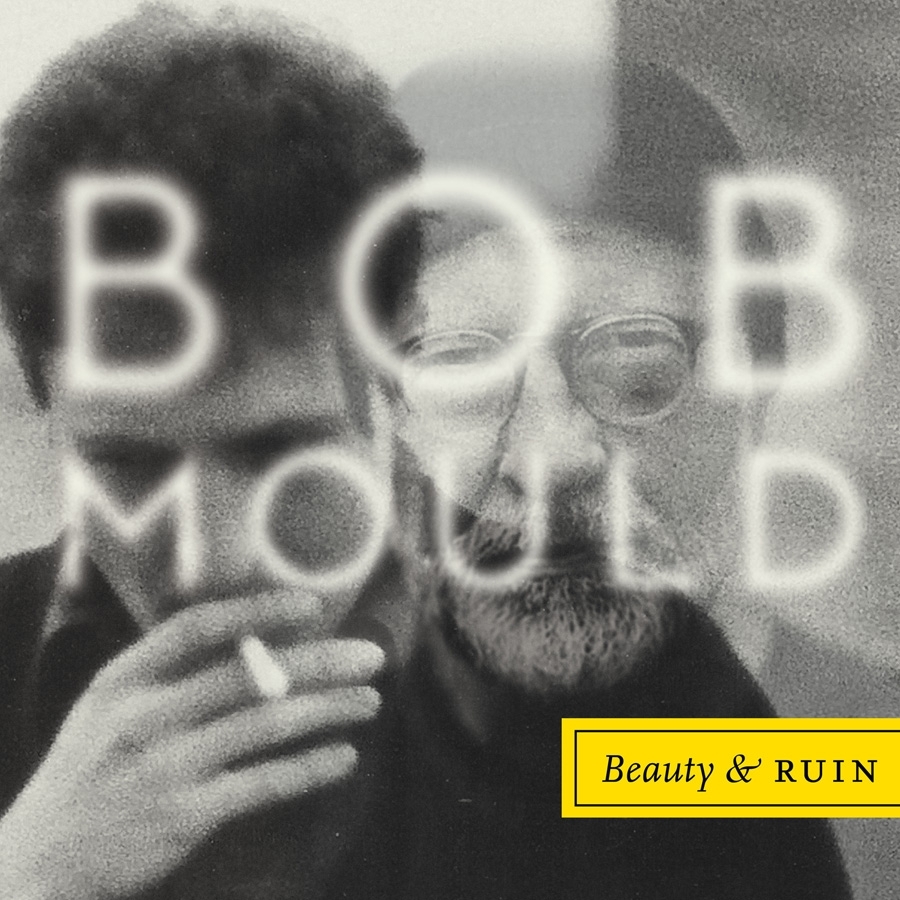
 View Artist