Song Meaning
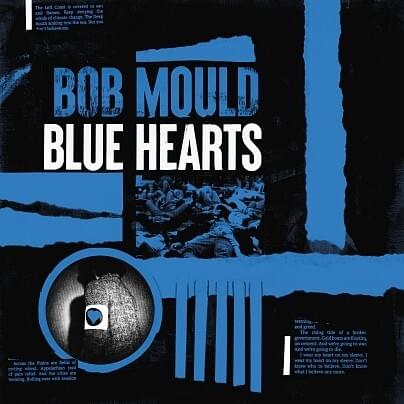
Bob Mould's "Chef's Kiss" isn't a love song; it's a state-of-the-union address delivered with the punk rock urgency that's been his signature since Hüsker Dü. The track paints a bleak, almost apocalyptic picture of America, riddled with environmental collapse and social decay. Mould doesn't mince words. He lays out a litany of disasters: wildfires on the West Coast, the Deep South succumbing to rising sea levels, ruined crops across the Plains, and opioid addiction ravaging Appalachia. These aren't just isolated incidents; they're symptoms of a deeper malaise. The "rising tide of a broken government" suggests a systemic failure, a rot that permeates every level of society. The image of "gold boats floating on cement" is particularly striking, a symbol of obscene wealth disconnected from reality, perhaps a commentary on the elite's detachment from the suffering of ordinary people. The refrain "And we're going to war / And we're going to die" adds a layer of fatalism, hinting at a future consumed by conflict and self-destruction.
But beyond the grim prognosis, "Chef's Kiss" is also a song about disillusionment and the struggle to find truth in a world saturated with misinformation. Mould's repeated lines, "I wear my heart on my sleeve / Don't know who to believe anymore," speak to a vulnerability that cuts through the cynicism. He's not just observing the collapse from a distance; he's personally affected by it, grappling with the erosion of trust and the feeling of being adrift in a sea of conflicting narratives. This emotional honesty is what elevates the song beyond mere political commentary, transforming it into a raw and relatable expression of anxiety in the face of overwhelming uncertainty.
The song meaning, therefore, resides not only in its depiction of societal breakdown but also in its exploration of individual vulnerability. Mould acknowledges the chaos and the despair, but he also offers a glimmer of hope, or at least a path forward: the courage to wear your heart on your sleeve, even when you don't know who to trust. It's a call for authenticity in a world of artifice, a reminder that even in the darkest of times, human connection and emotional honesty still matter.
 View Artist