Song Meaning
The narrator paints a stark, almost mythic portrait of a woman named Maggie, armed and formidable. He sees her standing "over yonder," rifle and six-shooter in hand, a striking image of defiance. This visual is immediately contrasted with the almost painful beauty of her "blue eyes / Shining like some diamonds." The narrator’s intense possessiveness is palpable; the thought of her belonging to another man is so unbearable that he’d prefer a life of perpetual darkness, a "lonely hollow / Where the sun don't ever shine."
The central tension arises from this unrequited, almost desperate desire. The narrator’s world seems to shrink to the singular focus of Maggie. He’s willing to abandon everything, to be "march[ed] away to the station" to some "far distant land," just to escape the agony of her being with someone else. His financial state fluctuates, from having "a nickel" to "ten dollars," but the consistent thought is providing for Maggie, specifically her "wine," suggesting a shared indulgence or perhaps a way to cope with his own pain.
The lyrics shift from a place of longing to a declaration of absolute ownership in Verse 4. The narrator establishes a natural order: flowers bloom, stars shine, and pretty girls are for boys' love. He then places Maggie firmly within this order, asserting, "Little Maggie was made for mine." This possessive certainty is immediately undercut by the final verse, where Maggie is seen with a "dram glass in her hand," "drinking down her troubles" while "courting some other man." The narrator’s idealized vision shatters against the reality of Maggie’s own agency and her apparent unhappiness, which she seeks to drown rather than share with him.
This juxtaposition of the narrator's idealized, possessive fantasy against Maggie's depicted reality creates the song's potent emotional charge. The stark imagery of her armed presence, the painful beauty of her eyes, and the narrator's desperate desire for possession are all rendered poignant by the final image of her seeking solace in drink, seemingly indifferent to his grand pronouncements of destiny. It’s a raw depiction of love, loss, and the painful gap between what we want and what is.
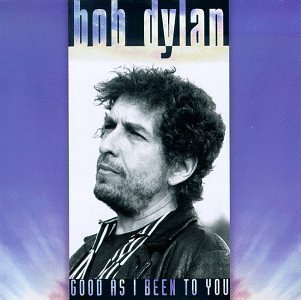
 View Artist