Song Meaning
The lyrics open with a stark declaration of "I pity the poor immigrant," immediately setting a tone of solemn observation. But this isn't a simple lament for hardship. Instead, the narrator describes an individual defined by regret, deceit, and a profound internal emptiness. This immigrant "uses all his power to do evil," leading to a life of isolation.
The core tension here lies in the nature of this "pity." It's not for a victim of circumstance, but for someone actively engaged in self-destructive behaviors. The individual "passionately hates his life" yet "fears his death," trapped in an existential paradox. This figure appears consumed by a relentless, unsatisfying drive, always seeking but never finding contentment, as suggested by "eats but is not satisfied."
A particularly potent craft element is the accumulation of negative traits, culminating in vivid, almost apocalyptic imagery. The narrator describes a "heaven" that is "like Ironsides" – unyielding, cold, and perhaps impenetrable to this individual. This stark metaphor suggests a spiritual aspiration that remains out of reach, replaced by a brutal reality where he "builds his town with blood." This phrase powerfully conveys a foundation built on exploitation or violence, making the "pity" feel like a lament for a soul lost to its own destructive ambition.
The lyrics are effective because they subvert expectations, offering a complex, almost judgmental form of pity. The narrator isn't just observing; the line "turns his back on me" introduces a direct, personal dimension, suggesting a rejection of the narrator's values or presence. This shift makes the critique feel more immediate, transforming the immigrant from a distant figure into someone whose moral choices have a tangible impact, ultimately leading to a "gladness" that "comes to pass" and "visions" that "shatter like the glass." The raw, unvarnished portrayal of a life consumed by malice and its inevitable, lonely end resonates deeply.
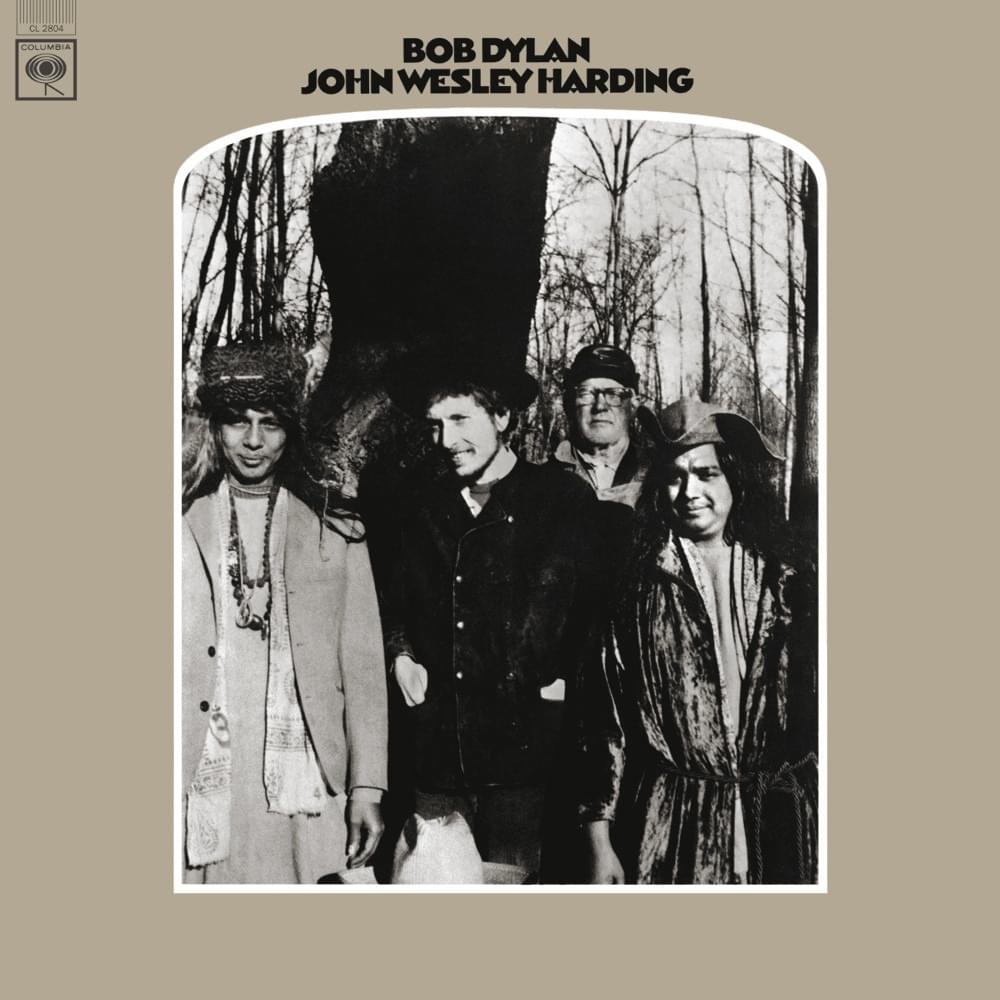
 View Artist