Song Meaning
The lyrics paint a picture of persistent hope against overwhelming odds, centering on the concept of "emuna," which translates to faith or belief. The opening lines immediately establish a pattern: when the skies weep, tears will cease if there is faith; when life gets complicated, paths will clear if there is faith. This sets up a conditional structure where faith is presented as the key to overcoming external and internal struggles.
The core tension lies in the contrast between dire circumstances and the unwavering power of belief. The narrator acknowledges physical pain and hardship, like thorns wounding hands and winds hindering steps, and the loss of light and hope. Yet, each acknowledgment of despair is met with the assertion that things will return or improve "if there is emuna." This repetition reinforces faith as the ultimate solution, even when the narrator finds it hard to open their eyes or senses are dulled by pain.
A striking element is the recurring imagery of nature's harshness juxtaposed with the promise of renewal. The "weeping skies" and "stormy waves" are met with the idea that the sun will shine again and the storm will pass, all contingent on faith. This external struggle mirrors internal battles, such as when "people don't get along," leading to a personal commitment to compromise "if there is emuna." The lyrics suggest that faith isn't just passive waiting but an active force that enables resilience and adaptation.
Ultimately, these lyrics resonate because they articulate a profound human need for hope in the face of adversity. The repeated phrase "if there is emuna" acts as a mantra, offering solace and a path forward when all seems lost. The writing effectively uses simple, direct language to convey a powerful message: even when love is lost or the world appears gray, the possibility of return and brightness exists, provided one holds onto faith.
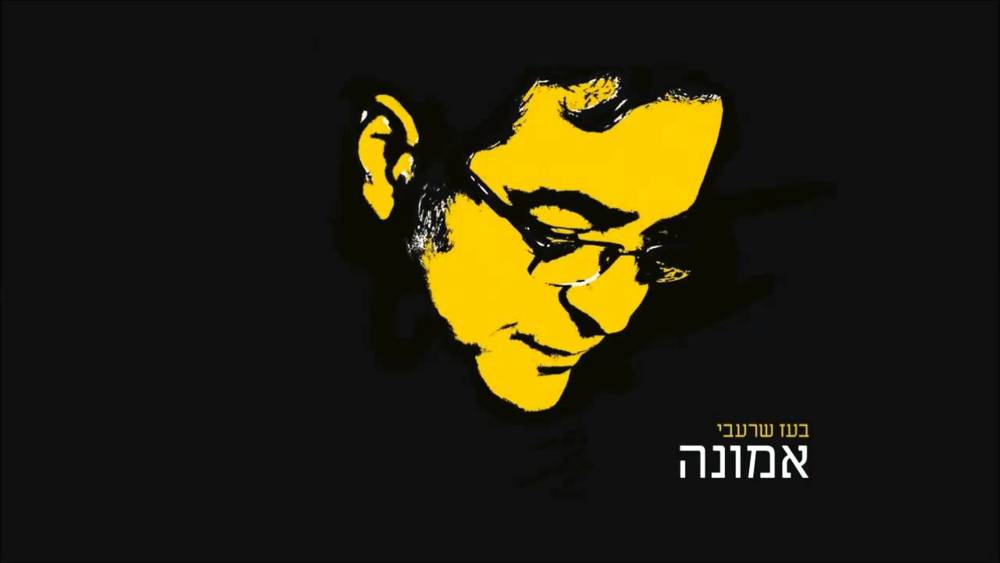
 View Artist