Song Meaning
The lyrics paint a picture of a painful breakup, where one person is trying to let the other go, seemingly for their own good. The narrator's voice is choked with emotion, stating, "My heart is choked up, do you know that?" This immediately establishes a tone of deep sadness and unspoken pain, suggesting the speaker is struggling to maintain composure even as they initiate or accept the separation. The repeated assertion of "It's okay, I'll leave now" feels like a desperate attempt to appear strong and selfless, masking the profound grief beneath the surface. The core conflict lies in the narrator's selfless act of letting go, which stems directly from their love for the departing person.
The central tension revolves around the paradox of love compelling separation. The narrator insists, "You don't need to be sorry" and "Don't cry for a new love," implying the other person is moving on. Yet, the narrator's own heart feels like their shared time was "just the beginning," highlighting the immense personal cost of this parting. The most poignant line, "But the reason my heart has to let you go is because I love you," encapsulates this heartbreaking contradiction. It suggests that the act of letting go, however painful, is the ultimate expression of their affection, a sacrifice made out of deep care.
The craft here hinges on the stark contrast between outward acceptance and inward devastation. The narrator repeatedly offers reassurances like "It's okay" and "I'll leave now," but these phrases are undercut by the raw emotion conveyed in lines like "My heart is choked up." The lyrics also employ the idea of leaving behind "endless sorrow" without regret, a noble sentiment that feels almost impossible to achieve given the narrator's stated feelings. The recurring theme of the past feeling like "just the beginning" emphasizes the narrator's feeling of being left behind, their own narrative abruptly halted while the other's continues.
What makes these lyrics hit so hard is their unflinching portrayal of a love that demands sacrifice. The narrator isn't just sad; they are actively choosing pain for the sake of the beloved, a complex emotional landscape that resonates deeply. The simple, direct language, combined with the overwhelming sense of loss, creates a powerful emotional impact. The final plea, "I hope you don't forget that the reason my heart has to let you go is because I love you," is a desperate, yet beautiful, attempt to ensure their sacrifice is understood, making the sorrow feel both personal and profound.
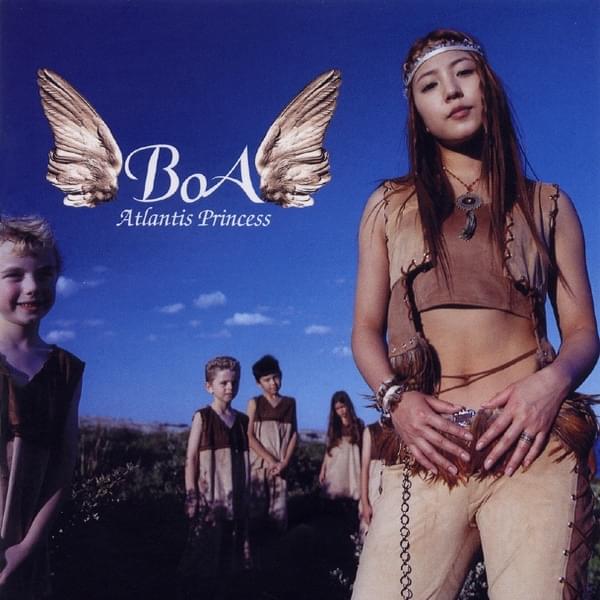
 View Artist