Song Meaning
These lyrics paint a picture of quiet dread, exploring the conditional fears of a relationship's slow unraveling. The narrator imagines a future where connection fades, dreams cease, and intimacy becomes a distant memory. It's a somber meditation on the subtle ways love can slip away.
The central tension lies in the contrast between the active, almost violent imagery of potential failure – "Utan strid förlorar slaget" (Without a fight loses the battle) or "skjuter sönder skälen" (shoots apart the reasons) – and the passive, internal response. The deepest fear isn't a dramatic breakup, but rather the quiet drift, the moment they "Somnar utan att ha rört varandra" (Fall asleep without having touched each other), a poignant image of emotional distance.
The most striking craft element is the recurring refrain: "Då ska jag tala med en annan röst / In i en nyfödd vinter om en gammal höst." This isn't a threat or a plea, but a poetic declaration of how the narrator will process the loss. The "annan röst" suggests a changed perspective, perhaps one of resignation or hard-won wisdom, while speaking of an "old autumn" into a "newborn winter" beautifully encapsulates the act of reflecting on a past warmth from a colder, newer reality. The repeated "I november" anchors this reflection in a month often associated with transition and melancholy.
What makes these lyrics so effective is how they transform the pain of potential loss into a profound, almost ritualistic act of remembrance. The initial "jag" (I) who will speak with another voice subtly shifts to "vi" (we) in the final stanza, suggesting a shared future where both parties might look back on their "innerligt förflutet" (intimate past) with a similar, altered perspective. It's a powerful exploration of how we process the end of things, not with a bang, but with a quiet, reflective hum.
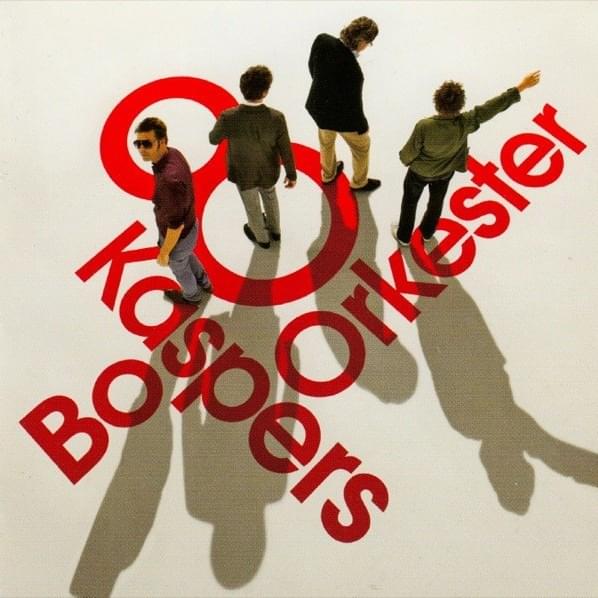
 View Artist