Song Meaning
“Kasta något tungt” immediately plunges us into a scene of quiet, almost suffocating domesticity. The narrator observes life, both on TV and beside a sleeping partner, noticing a creeping “pattern.” This pattern seems to be one of passive observation and growing resignation. It's a stark portrait of modern ennui.
The central tension here is the suffocating weight of this perceived pattern versus a desperate, almost primal urge for release. The narrator describes “suttit och ljugit” through dull conversations and merely “suttit och dugit” – just sufficing. This passive acceptance of a life that “sugit” (sucked) builds a palpable sense of internal pressure, making the sudden desire to “kasta något tungt genom ett fönster” feel like an inevitable eruption.
The lyrical craft brilliantly underscores this internal conflict through stark contrasts and insistent repetition. The phrase “börjat ana ett mönster” (started to suspect a pattern) acts as a slow, creeping realization, appearing after observations of both external life and internal pretense. This growing awareness directly feeds the explosive, repeated refrain: “vill kasta något tungt genom ett fönster.” The shift from once being willing to “dö för” things or “ge nån spö för” trivial “idiotier” to now avoiding adventure and preferring “ingenting händer” further emphasizes how deeply this pattern of apathy has taken root, making the violent fantasy a desperate plea for sensation.
What makes these lyrics so effective is how they articulate a common, yet often unspoken, modern frustration. The quiet observations of a life unlived – watching others, feigning interest, shrinking one's world – accumulate into a powerful sense of claustrophobia. The sudden, visceral image of smashing a window isn't just an act of destruction; it's a raw, almost desperate cry for disruption, for a break in the monotonous “mönster” that has slowly consumed the narrator's vitality.
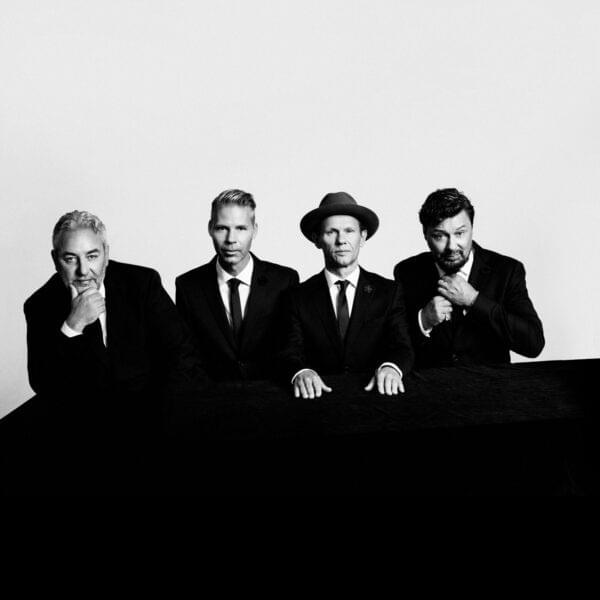
 View Artist