Song Meaning
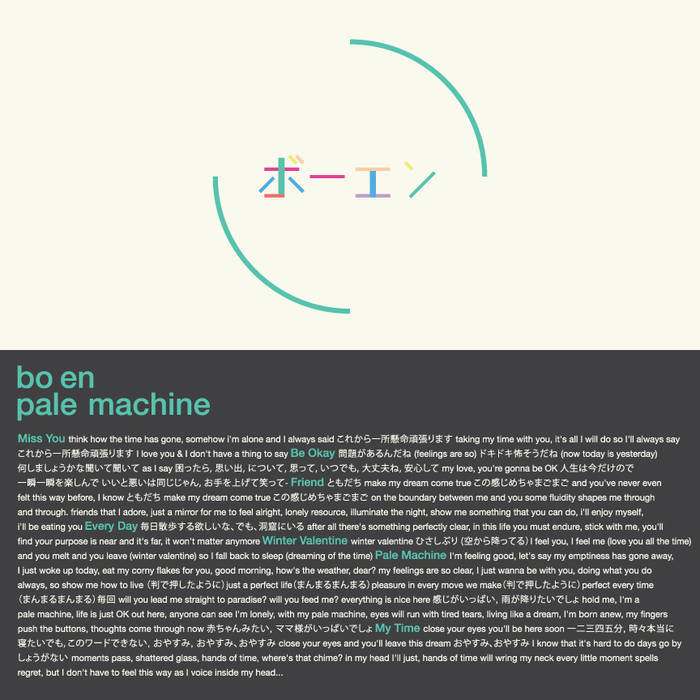
The lyrics paint a picture of someone striving for a perfect, almost robotic existence, driven by a desire to please another. The opening lines suggest a newfound sense of well-being, a feeling that "emptiness has gone away," immediately followed by an almost ritualistic act of eating "corny flakes for you." This sets up a dynamic where personal comfort is directly linked to fulfilling the needs or desires of another, establishing a tone of almost programmed devotion. The narrator's feelings are declared "so clear," but this clarity seems to stem from a singular focus: "I just wanna be with you, doing what you do, always." This desire to emulate and be near the other person suggests a yearning for guidance, a wish to be shown "how to live."
The bridge introduces a recurring motif of manufactured perfection. Phrases like "Just a perfect life" and "Perfect every time" are interspersed with Japanese phrases that translate to "like a rubber stamp" and "perfectly round, perfectly round." This repetition emphasizes a life lived according to a strict, unvarying template, devoid of genuine spontaneity. The "pleasure in every move we make" feels less like authentic joy and more like a programmed response, reinforcing the idea that this ideal existence is carefully constructed rather than organically experienced. The constant need for external validation or instruction is palpable.
The chorus reveals the underlying tension: the narrator identifies as a "pale machine," a being that is functional but lacks vibrant life. While "life is just okay out here," the loneliness is profound, leading to "tired tears." This stark contrast between the outward appearance of a "dream" life and the internal reality of emotional depletion is the core of the song's pathos. The narrator is functioning, performing the actions of living, but the emotional core is hollow, leading to a state of weary resignation. The plea to be "fed" and led to "paradise" underscores a dependency on the other for sustenance and direction, highlighting a passive existence.
The final verse, with its declaration of being "born anew" and pushing "buttons," further solidifies the machine-like metaphor. The act of pushing buttons suggests control and operation, but the thoughts that "come through now" are presented as if they are external or automatic. The Japanese phrase "like a baby" coupled with "Mama is full of you" implies a childlike dependence and a desire for maternalistic care, but filtered through the lens of this mechanical existence. It’s a poignant portrayal of someone seeking connection and purpose by becoming a perfectly functioning, yet emotionally detached, entity.
 View Artist