Song Meaning
The lyrics paint a chilling picture of an internal adversary, the "opositor," that invades one's thoughts. It's presented as a force that actively searches within the mind, not just passively observing. This entity's power lies in its ability to adopt shapes, specifically those that evoke fear or, conversely, those that are pleasing. The duality of its manifestation suggests a complex psychological struggle, where the threat can be both overtly terrifying and subtly seductive.
The central tension arises from this chameleon-like nature of the "opositor." It's not a static enemy but one that adapts its appearance to exploit the narrator's deepest vulnerabilities or desires. The act of "finding and assuming" implies a proactive and invasive process, turning the inner landscape into a battleground where the enemy knows exactly how to strike. The simple "Olá" at the end adds a disquieting touch, as if the adversary has successfully integrated or announced its presence.
The most striking aspect of the craft here is the repetition of "Vasculhará a sua mente, encontrará e assumirá a forma que mais lhe assustar…" followed by "Vasculhará a sua mente, encontrará e assumirá a forma que mais lhe agradar…". This parallel structure highlights the insidious adaptability of the "opositor." It can manifest as a nightmare or a comforting illusion, demonstrating a profound understanding of the target's psyche. This suggests the adversary is not external but deeply rooted in the self, capable of weaponizing both dread and comfort.
This lyrical construction is effective because it taps into a primal fear of internal betrayal. The "opositor" becomes a potent metaphor for self-doubt, addiction, or any internal force that undermines well-being by playing on our deepest psychological triggers. The ambiguity of its form leaves the listener to project their own internal struggles onto the lyrics, making the threat feel intensely personal and inescapable.
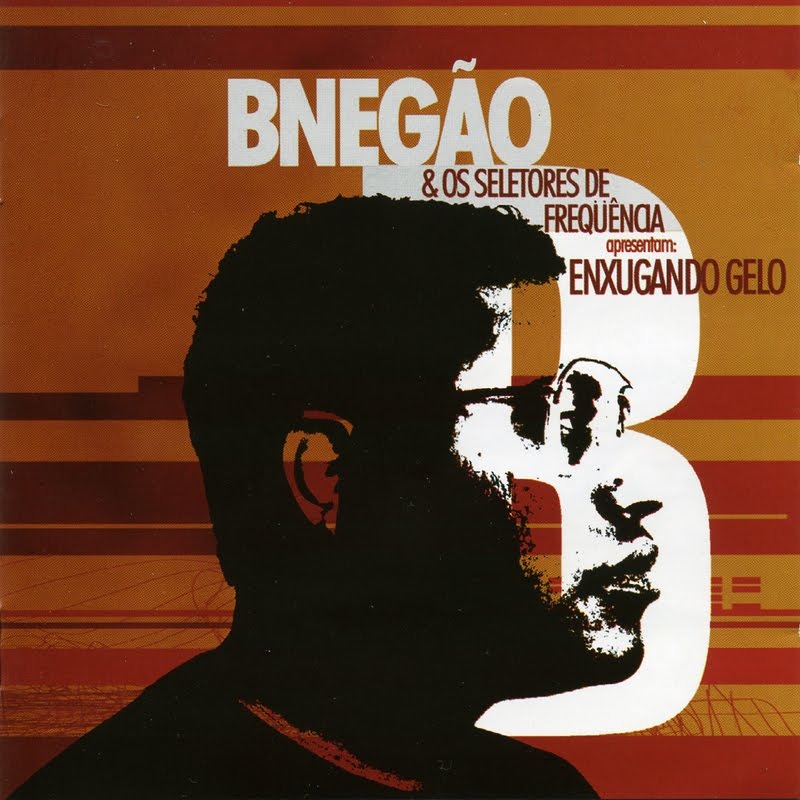
 View Artist