Song Meaning
The narrator finds themselves in a familiar, disheveled state, perhaps after a rough night. There's a sense of casual resilience, a shrug-and-move-on attitude that’s almost defiant. The opening lines paint a picture of being in a "roadside stew," a messy, uncertain situation, yet the immediate response is pragmatic: "I'm looking up at you" and a reassurance, "Well I'm okay."
The core tension lies in the narrator's detached acceptance of their circumstances and the implied question of what comes next. They acknowledge a history of similar predicaments, "I've been here before," and possess a self-assuredness about their ability to recover, "I've an ass to land on / And that's what it's for." This isn't about dwelling on the past or the immediate discomfort, but about the simple act of getting back up.
The repeated refrain, "what's for breakfast?" coupled with "Nothing ventured, nothing wrong," acts as a mantra of unburdened optimism. It suggests a philosophy of letting go of the past and embracing whatever the day brings without fear of consequence. The lack of memory from the previous night is framed not as a problem, but as a benefit: "Not to worry my friend / I'm better off as such." This detachment is key to their ability to "dust me off" and move forward.
This lyrical approach is effective because it grounds a potentially bleak situation in a surprisingly light and forward-looking perspective. The casual language and the focus on immediate, practical actions – dusting off, getting on feet – make the narrator's resilience feel earned and authentic, not forced. The repeated question about breakfast becomes a symbol of simple, unadorned possibility, a blank slate for the day ahead.
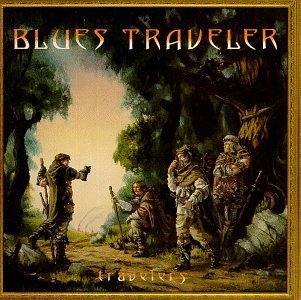
 View Artist