Song Meaning
The lyrics paint a picture of persistent, perhaps unrequited, love, urging a listener to hold onto hope and connection. There's a strong sense of past shared joy contrasted with present loneliness. The narrator offers unwavering support, suggesting a deep, enduring affection that transcends the immediate pain of separation. It’s a plea to remember a foundational love and to believe in future happiness, even amidst current solitude.
The central tension lies between the memory of a vibrant, shared past and the stark reality of present loneliness. Phrases like "Oh those days are over" clash with "But you can't stop a real good love," highlighting the struggle to reconcile past happiness with current isolation. The narrator’s insistence on remembering "that day / When we started our way" and the repeated "Never ever forget" underscores this conflict, as if trying to anchor the listener to a shared history that can combat the feeling of being utterly alone.
The most striking craft element is the recurring motif of "lonely." It’s not just a state of being but a shared experience, "Lonely like me just forever" and "Lonely like me and you're calling." This repetition emphasizes the narrator's own isolation while simultaneously extending an invitation for companionship. The contrast between material wealth and genuine connection, "Money can't buy you good things / Can't buy your friends," further solidifies the idea that true value lies in human bonds, a sentiment the narrator desperately wants to share.
This song hits hard because it taps into the universal ache of loneliness while offering a powerful counterpoint of enduring love and hope. The narrator’s consistent presence, "I'll be right there if you are falling," provides a comforting anchor. The lyrics suggest that even when "nobody is at home," the memory of connection and the promise of future togetherness can provide solace, making the present pain feel less absolute and more like a temporary state before finding someone, or returning to a lost love.
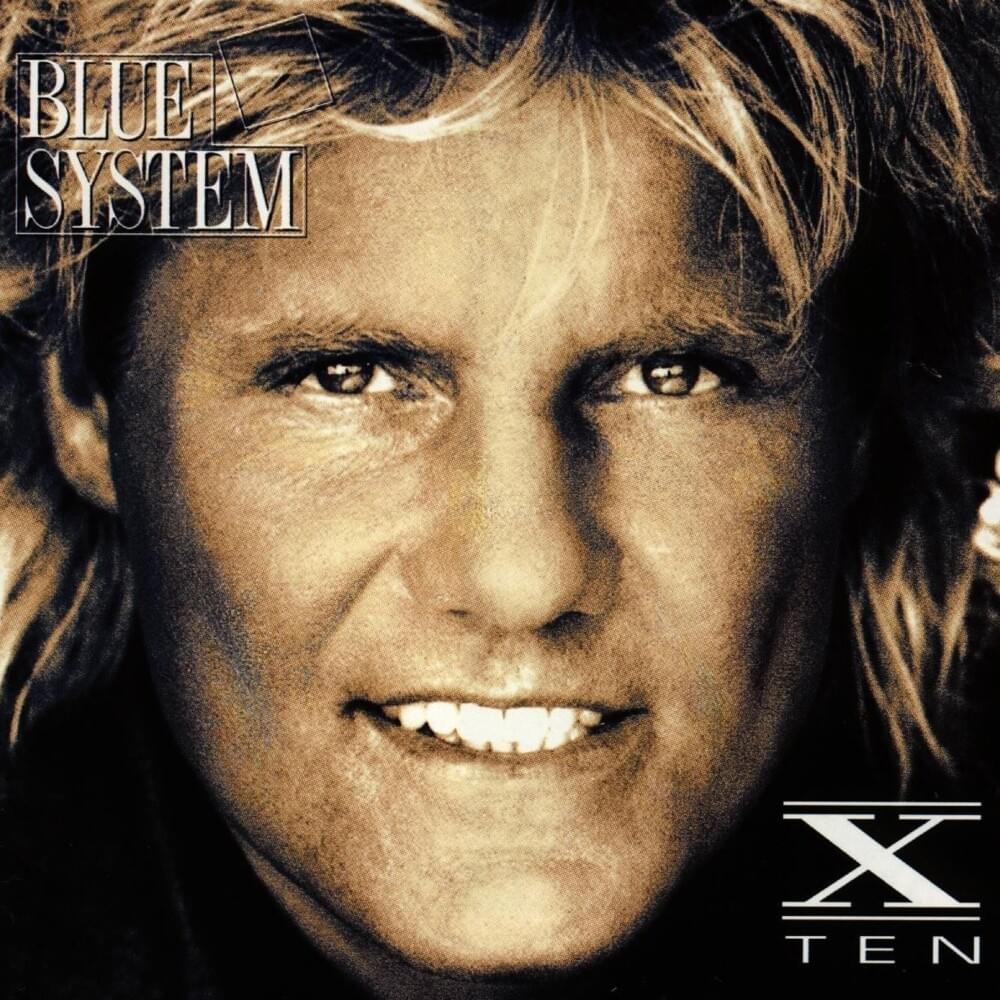
 View Artist