Song Meaning
The lyrics paint a picture of profound sadness and isolation, centered around a woman facing difficult news and the end of a day. The repeated image of the sun going down acts as a stark visual metaphor for this decline, emphasizing a sense of finality and loss. She's described as "too proud to cry," highlighting an internal struggle to maintain composure despite deep sorrow, a sentiment amplified by the bleak "no friend" and "it's a drag." This initial scene establishes a heavy emotional atmosphere.
The central tension arises from the contrast between external hardship and internal resilience, or perhaps a desperate hope. The narrator acknowledges the difficulty, stating "you cannot kill the pain," yet simultaneously asserts the subject's strength: "She's tougher than the rest." This creates a push-and-pull between despair and admiration, a recognition of immense suffering coupled with an acknowledgment of an enduring spirit. The repetition of "My heart is such a mess" and "My love is such a mess" suggests the narrator is also deeply affected by this situation, their own emotional state mirroring the chaos.
The most striking lyrical device is the juxtaposition of seemingly contradictory ideas, like "deep emotion / Like a fire in the rain." This image captures the intensity of feeling that persists even in adverse conditions, suggesting a powerful, almost defiant, inner life. The shift from "you cannot kill the pain" to "And some day you'll kill the pain" marks a crucial turning point, introducing a future possibility of healing and overcoming the present suffering. This evolution in the lyrics offers a glimmer of hope against the overwhelming darkness.
Ultimately, the effectiveness of these lyrics lies in their raw portrayal of emotional turmoil and the subtle, yet powerful, affirmation of inner strength. The simple, repetitive structure, especially around the setting sun, creates a hypnotic, melancholic mood. The narrator's direct address and shared sense of emotional disarray ("My heart is such a mess") make the experience feel immediate and personal, drawing the listener into this complex emotional landscape where pain is acknowledged but not the final word.
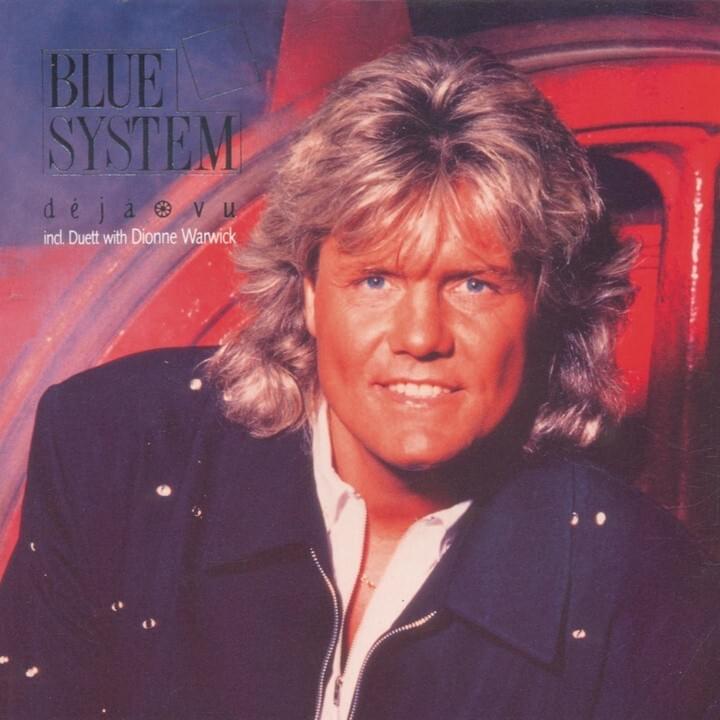
 View Artist