Song Meaning
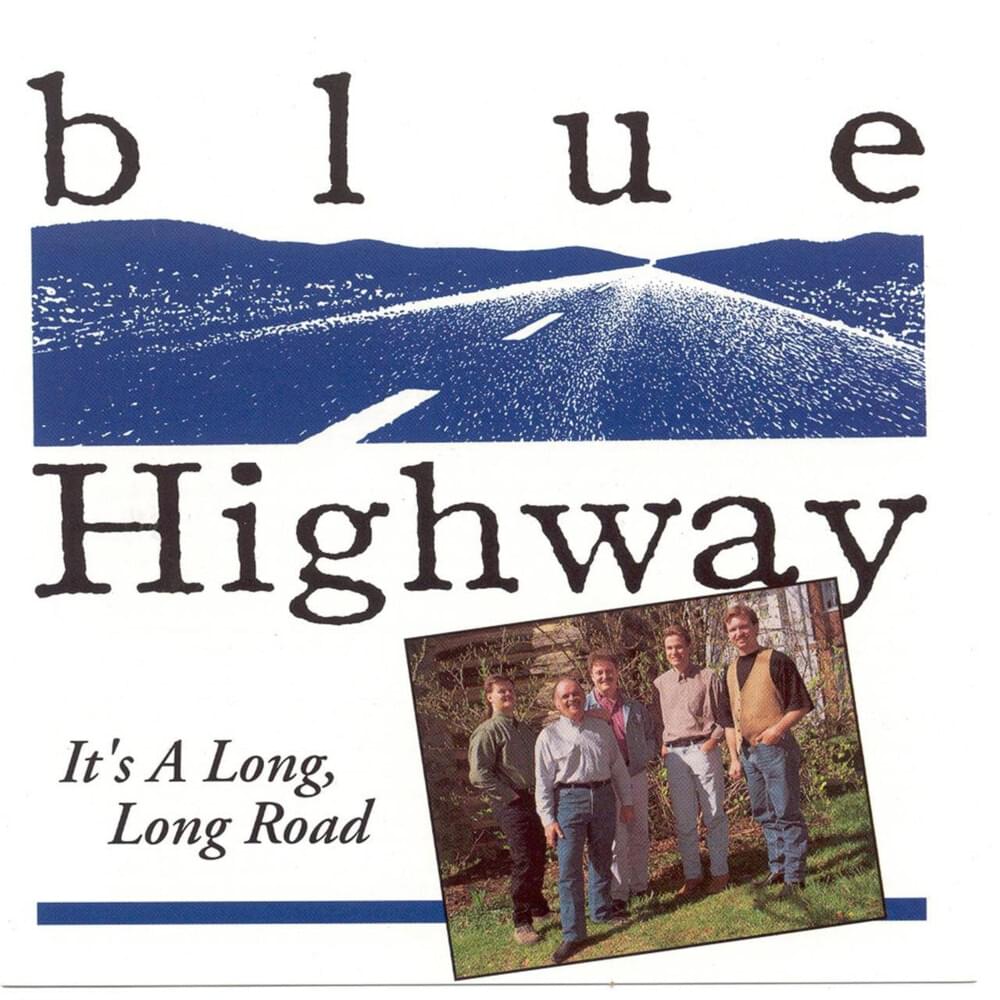
This track paints a stark picture of isolation and loss. The opening lines immediately establish a sense of vast, lonely space, where the "long long road" and "cold cold wind" create a palpable atmosphere of desolation. The narrator feels utterly adrift, comparing their cry to a "lost child out in the night," desperately seeking direction and solace. This initial feeling of being lost sets the stage for a profound sense of longing.
The central tension arises from the stark contrast between a cherished past and a bleak present. The narrator recalls a time when "our love was the warmth and the light," a period of happiness now overshadowed by encroaching darkness. The "dark shadows are falling" and "day is quickly fading into night" serve as potent metaphors for the decline of this relationship and the narrator's emotional state. The once-bright present has been consumed by the same darkness that now chills the "long long road."
The lyrics masterfully employ natural imagery to mirror the narrator's internal landscape. The "cold cold wind" that "moans" isn't just weather; it's an auditory manifestation of grief and loneliness. Similarly, the "sun goes down behind the mountain" and the "chilly wind is blowing through the pines" evoke a specific, somber setting that amplifies the narrator's melancholy. This external environment becomes a direct reflection of the internal emptiness, making the longing for a "sunny garden where the roses twine" all the more poignant and unattainable.
Ultimately, the effectiveness of these lyrics lies in their directness and evocative imagery. The simple, repetitive structure of the opening lines hammers home the feeling of unending hardship. By grounding the abstract pain of loss in concrete sensory details – the cold wind, the fading light, the memory of a garden – the narrator makes their isolation feel deeply personal and universally understood. It’s this blend of stark reality and wistful memory that gives the song its enduring emotional weight.
 View Artist