Song Meaning
The lyrics paint a picture of someone grappling with a profound sense of loss and nostalgia, where everyday observations have become tinged with sadness. The opening lines immediately establish a feeling of missed connection and unspoken grievances, hinting at a fractured relationship where both parties bear some responsibility. This sets the stage for a deeper exploration of how past joys are now sources of pain.
The central tension arises from the contrast between past happiness and present melancholy. The narrator explicitly states, "I wish they didn't make me sad," highlighting the painful irony that cherished memories now bring sorrow. This is powerfully illustrated by the shift in perception of nature: the once-pleasant sight of leaves in motion is now overshadowed by the "mournful sound" of the wind, suggesting a pervasive gloom that colors all experience.
A key piece of craft is the recurring motif of "parades," which serves as a potent symbol for vibrant, communal joy that has now been lost. The repeated phrase "I used to love parades" acts as an anchor, emphasizing the stark difference between the narrator's past self and their current state. This contrast is further amplified by the narrator's disinterest in things they once enjoyed, like football, indicating a fundamental shift in their emotional landscape, where "everything I do / Keeps reminding me of you."
Ultimately, the effectiveness of these lyrics lies in their quiet, understated portrayal of grief. The narrator isn't overtly dramatic but rather expresses a deep, lingering sadness through mundane details and altered perceptions. The admission, "Guess I should learn to take the blame," suggests a self-awareness that adds a layer of complexity to the sorrow, making the loss feel both personal and deeply felt, even as life "slowly fades."
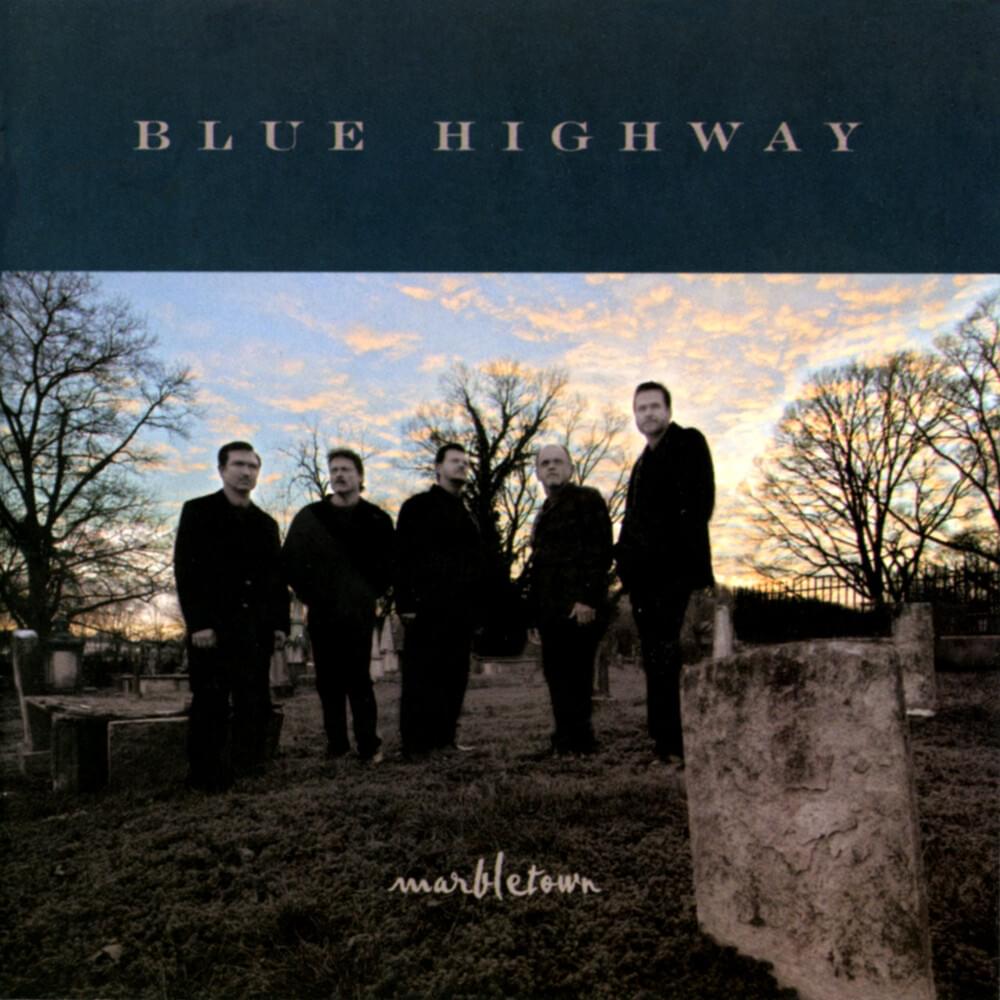
 View Artist