Song Meaning
The lyrics paint a vivid picture of a leisurely drive, contrasting a couple lost in their romance with the narrator's own frustration. The scene is set with a driver whose "left elbow is hanging out the window" and "right arm is wrapped around his sweetheart," creating an image of pure, unhurried bliss in their "love mobile." This idyllic moment, however, directly clashes with the narrator's predicament, stuck behind this slow-moving vehicle on a "double yellow line" with a speed limit clearly being ignored. The dominant emotional tone is one of exasperated observation, tinged with a surprising empathy.
The central tension arises from the collision of two opposing states of being: the unhurried, romantic present of the "Sunday driver" and the impatient, time-bound reality of the narrator. The "Sunday driver" is characterized by a "lack of concern for time," prioritizing his connection with his "sweetheart" over any schedule. This deliberate slowness is amplified by the narrator's own constrained situation, "held hostage by the double yellow line," which prevents any escape or overtaking. The contrast between the driver's "paradise" and the narrator's "Thursday afternoon" stuck in traffic highlights this core conflict.
The most striking element is the narrator's shift from annoyance to understanding. Initially trapped and observing the "growing line of angry cars," the narrator chooses not to add to the pressure. This decision stems from a profound recognition: "Cause I know just what he's feeling / Cause I've been in that sweet driver's seat before." This shared experience transforms the narrator's perspective, turning them into a "guardian angel" for the couple's romance, even at the cost of their own time. The imagery of the "centipede of metal" underscores the collective impatience, making the narrator's act of empathy even more significant.
Ultimately, these lyrics resonate because they capture a universal human experience: the friction between personal moments of joy and the demands of everyday life. The writing effectively uses the simple, relatable scenario of a traffic jam to explore deeper themes of empathy and the recognition of shared emotional states. The narrator's choice to protect the slow driver's romantic bubble, despite their own inconvenience, offers a poignant reflection on valuing connection over strict adherence to schedules, making the mundane act of driving a surprisingly tender moment.
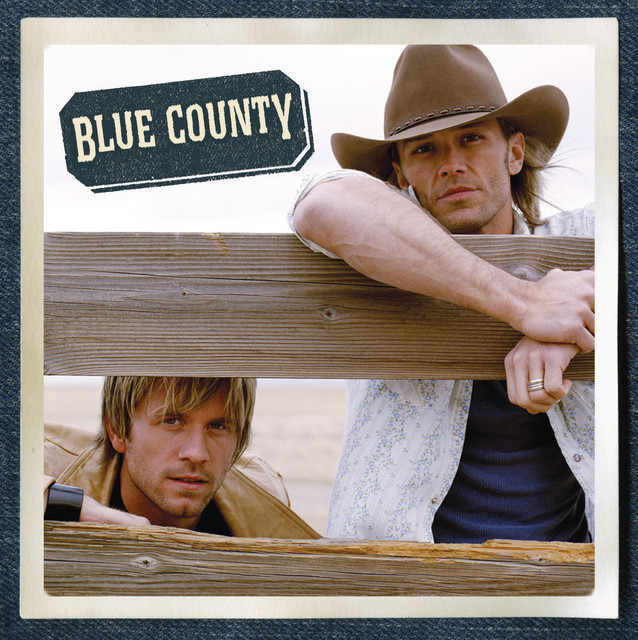
 View Artist