Song Meaning
Blossom Dearie's "Try Your Wings" isn't just a song; it's an elegantly simple pep talk delivered with the wink of a seasoned romantic. The song meaning orbits around the central metaphor of nascent flight, urging listeners to embrace the vulnerability inherent in love and the pursuit of dreams. It's a call to action, subtly laced with the understanding that inertia is the greatest obstacle to joy. Dearie doesn't preach; she coaxes, suggesting that the potential for soaring exists within everyone, only needing the courage to leap. The lyrics analysis reveals a gentle prodding toward self-discovery through emotional risk.
The brilliance of "Try Your Wings" lies in its minimalist approach. Dearie avoids grand pronouncements, instead focusing on the intimate connection between self-belief and romantic fulfillment. The repeated encouragement to "try your wings" serves as both a literal and figurative invitation. It acknowledges the fear of failure, the potential for heartbreak, but ultimately argues that the rewards of taking flight – experiencing love, achieving dreams – outweigh the risks. The bluebird analogy, though seemingly simple, reinforces the idea that even the smallest among us possess the capacity for extraordinary feats of self-actualization. It touches on the psychological principle of self-efficacy, subtly suggesting that belief in one's abilities is paramount to achieving desired outcomes.
Beyond the direct encouragement, "Try Your Wings" carries a quiet undercurrent of carpe diem. The acknowledgment that "a first love never comes twice" is a poignant reminder of the fleeting nature of opportunity. It’s an appeal to seize the moment, to not let fear paralyze potential happiness. Dearie's delivery, with its characteristic blend of sophistication and vulnerability, underscores the emotional stakes. This isn't just about romantic love; it's about embracing life fully, about daring to reach for what seems just beyond grasp. Ultimately, the song’s message is a timeless one: that the greatest regrets often stem not from failure, but from the chances never taken.
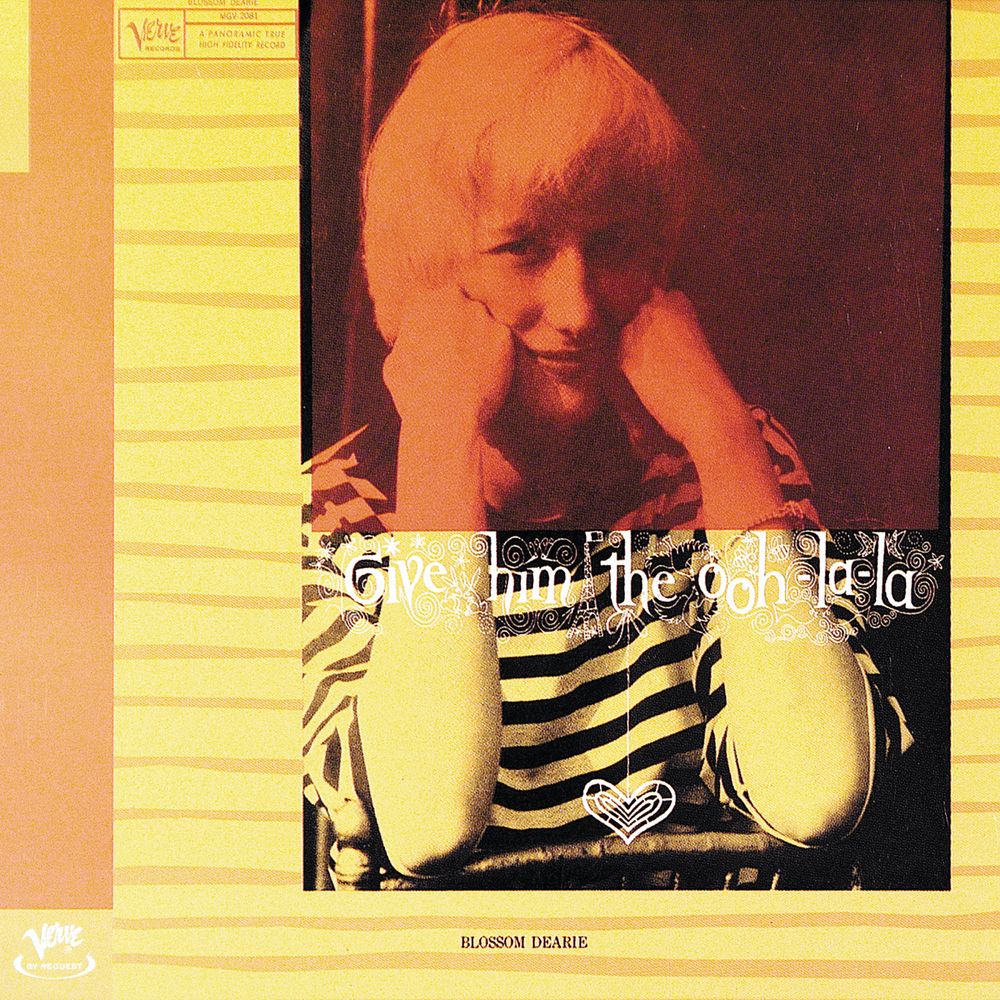
 View Artist