Song Meaning
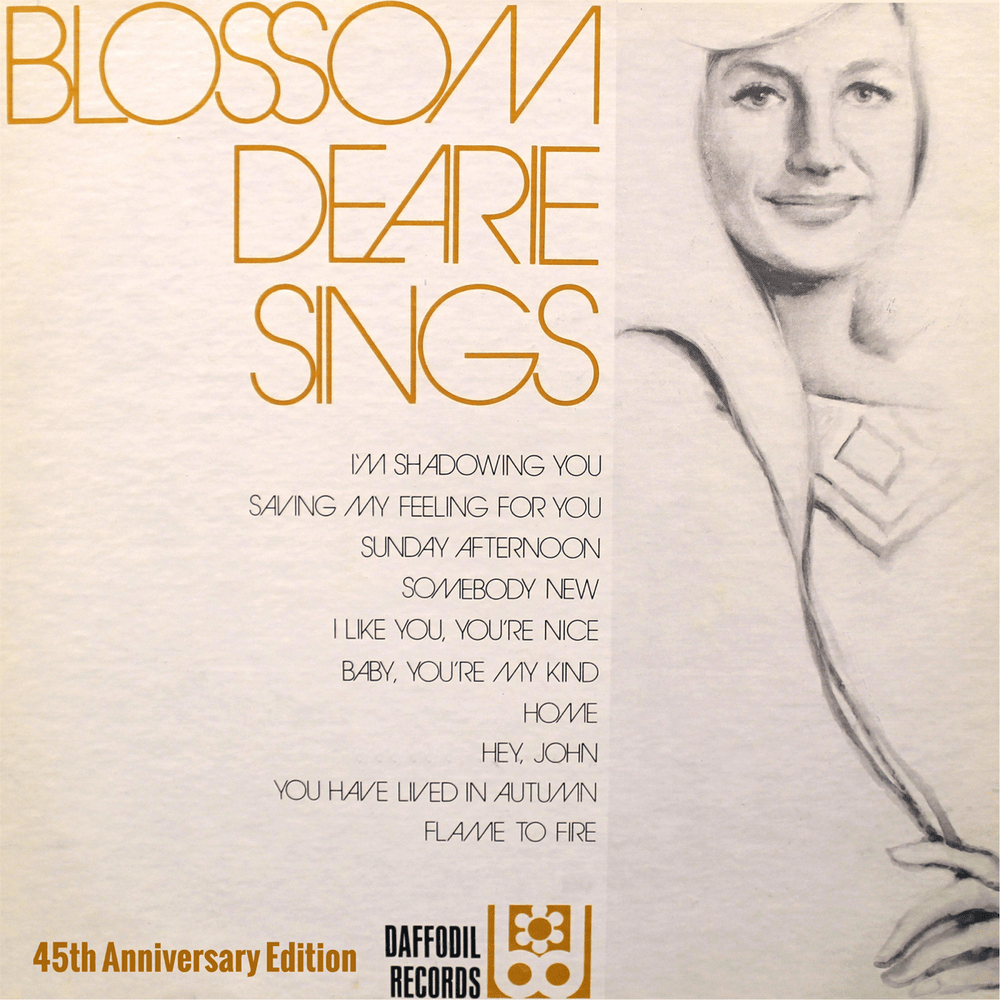
Blossom Dearie's "Somebody New" isn't just a breezy jazz tune; it's a miniature study in the psychology of nascent attraction, a masterclass in the art of projecting desire onto the blank canvas of a stranger. The song's meaning resides not in grand pronouncements of love, but in the tentative, almost childlike anticipation of connection. The lyrics, with their repetition of "walkin' along and dreamin'," capture the internal loop of hopeful projection—the way we construct idealized versions of potential partners before any real interaction takes place. Dearie isn't singing about someone she knows; she's singing about the *idea* of someone, a figure conjured from longing and the simple wish for reciprocity: "Hopin' he's dreamin' 'bout somebody too." This hints at a deeper yearning for validation, a hope that her own desire is mirrored.
The shift from dreaming to strategizing in the second verse ("Thinkin' 'bout what I can do / And how I'm gonna make a friend of you") marks a move from passive fantasy to active pursuit. This is where the vulnerability creeps in. The narrator acknowledges the risk of making "a fool of myself," highlighting the inherent anxiety of initiating contact. Yet, the "warm, vibrating, giving, loving smile" she receives acts as a potent reinforcement, fueling her onward. Dearie subtly exposes the power dynamics at play: the stranger's encouragement, however minimal, validates her pursuit and sustains her hope.
Ultimately, "Somebody New" is about the intoxicating potential of possibility. The final verse, where they are "walkin' along together," returns to the initial dream state, but with a crucial difference: the dream is now shared, or at least, the narrator *hopes* it is. The repetition of "Hopin' he's thinkin' 'bout the same things too" underscores the persistent uncertainty that underlies the entire encounter. The song cleverly avoids resolution, leaving the listener suspended in the delicate space between fantasy and reality, where the promise of connection hangs in the balance. The song's genius lies in its understanding of how much of romance is internal, a self-generated narrative fueled by hope and the universal desire to be seen and desired in return.
 View Artist