Song Meaning
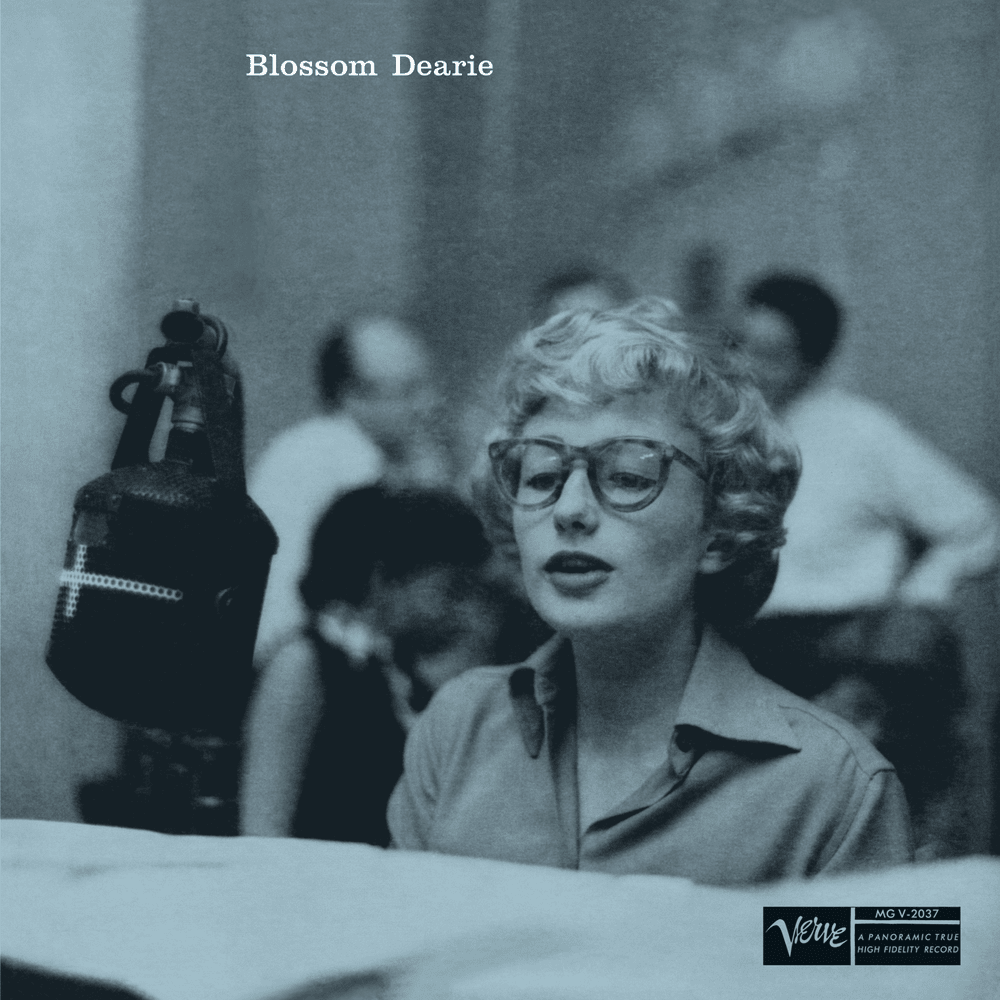
{"song_id": 13610659, "meaning": "Blossom Dearie's rendition of \"Lover Man (Oh Where Can You Be)\" isn't just a jazz standard; it's a poignant exploration of longing and the ache of unmet desire. Dearie's delicate delivery, almost childlike in its simplicity, amplifies the vulnerability inherent in the lyrics. The song isn't merely about a missing lover; it's about the void created by the absence of intimacy, the yearning for a connection that seems perpetually out of reach. The opening lines, \"I don't know why, but I'm feeling so sad / I long to try something I've never had,\" establish a baseline of melancholic curiosity, a hunger for experience untainted by past fulfillment. It's the raw, almost primal need for affection laid bare. The repeated refrain, \"Lover man, where can you be?\" acts as both a question and a lament.
The lyrics evoke a sense of profound isolation, painting a picture of a solitary figure surrounded by a cold, indifferent world. \"The night is cold and I'm so all alone / I'd give my soul just to call you my own\" speaks to the desperation of the speaker, willing to sacrifice everything for the warmth of companionship. The mention of a \"moon above me / But no one to love me\" highlights the stark contrast between the potential for beauty and the reality of emptiness. This juxtaposition underscores the psychological weight of unrequited desire, turning a simple love song into a meditation on the nature of loneliness.
Ultimately, \"Lover Man\" offers a glimpse into the human psyche's capacity for hope amidst despair. The lines, \"Someday we'll meet and you'll dry all my tears / You'll whisper sweet little things in my ears,\" offer a glimmer of optimism, a belief in the possibility of future happiness. This imagined future, filled with \"huggin' and a-kissin',\" becomes a source of comfort, a way to cope with the pain of the present. Dearie's interpretation transforms a classic tune into an intimate portrait of longing, loss, and the enduring power of hope. The song meaning resides not just in the words, but in the delicate balance between vulnerability and resilience that Dearie so masterfully conveys."}
 View Artist