Song Meaning
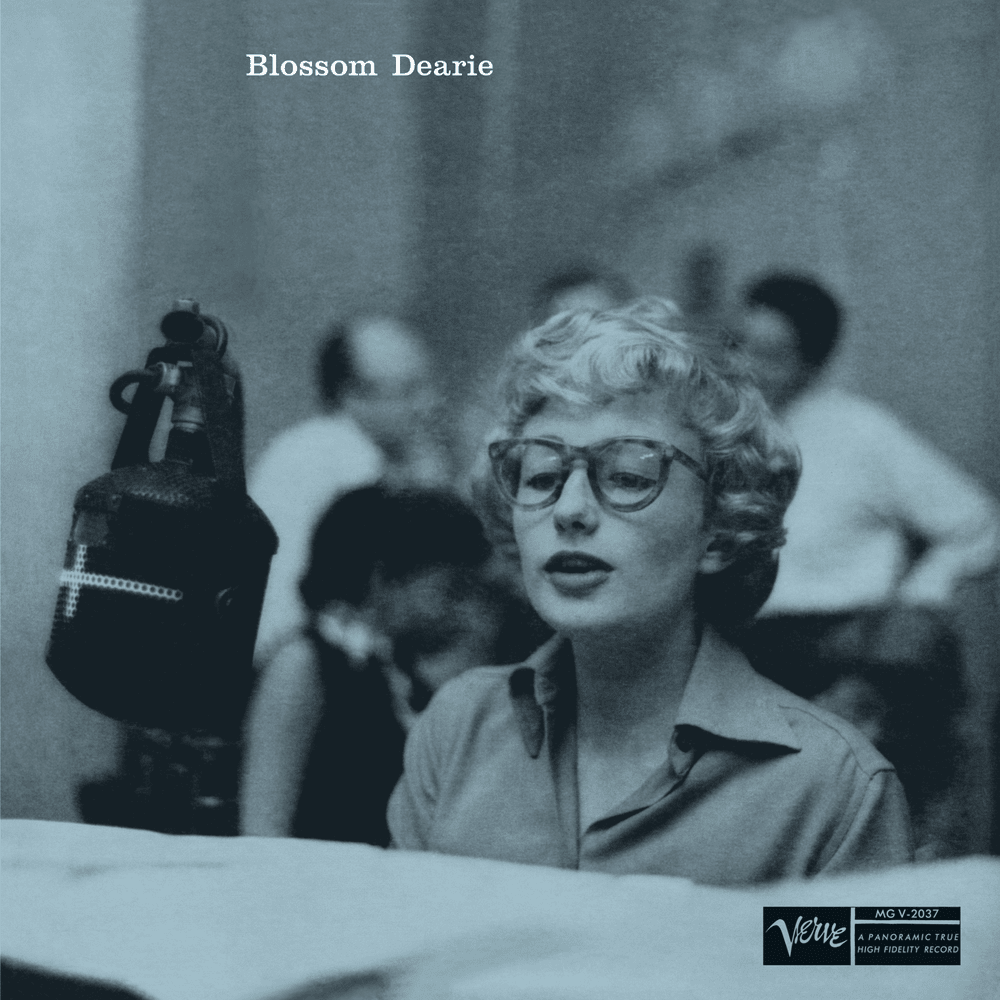
{"song_id": 13610664, "meaning": "Blossom Dearie's rendition of \"It Might as Well Be Spring\" isn't the giddy explosion of rebirth we expect. Instead, Dearie delivers a melancholic counterpoint, a spring that feels profoundly *wrong*. The French lyrics, tinged with a world-weary resignation, paint a portrait of someone utterly out of sync with the season's exuberance. The opening lines, lamenting agitation and disenchantment amidst the 'beau jour de printemps,' immediately establish this dissonance. It's a feeling many can relate to – the pressure to be happy when the world dictates you should be, a painful awareness of one's own internal weather clashing with the external climate. Dearie's delicate, almost detached delivery amplifies the sense of alienation.
The lyrics explore a desire for escape, a yearning to flee the mundane ('Fuir la vie de chaque jour') in the hope of finding love. This isn't a simple romantic longing; it's a deeper search for meaning and connection, a way to reconcile the internal void with the vibrant world outside. The mention of childhood memories – 'Les bourgeons des marronniers de mon enfance' – adds a layer of poignant nostalgia. These once-comforting images of spring now fail to resonate, suggesting a loss of innocence or a growing disconnect from simpler times. The question, 'Douterais-je du printemps?' is not a literal questioning of the season, but a questioning of the speaker's own capacity for joy and belief in the natural order.
Ultimately, the song's meaning rests on this internal conflict. The speaker acknowledges the joy surrounding them ('Tout est si joyeux') but confesses to unhappiness and torment. The concluding lines, 'Oh mon ami, c'est le printemps,' offer a kind of explanation, but not necessarily a resolution. Spring, usually a symbol of hope, becomes a trigger, an exacerbation of existing anxieties and a stark reminder of what's missing. It's a sophisticated understanding of seasonal affective disorder, not as a clinical condition, but as a universal human experience – the potential for beauty to amplify sorrow, and the struggle to find personal resonance in a world that demands happiness."}
 View Artist