Song Meaning
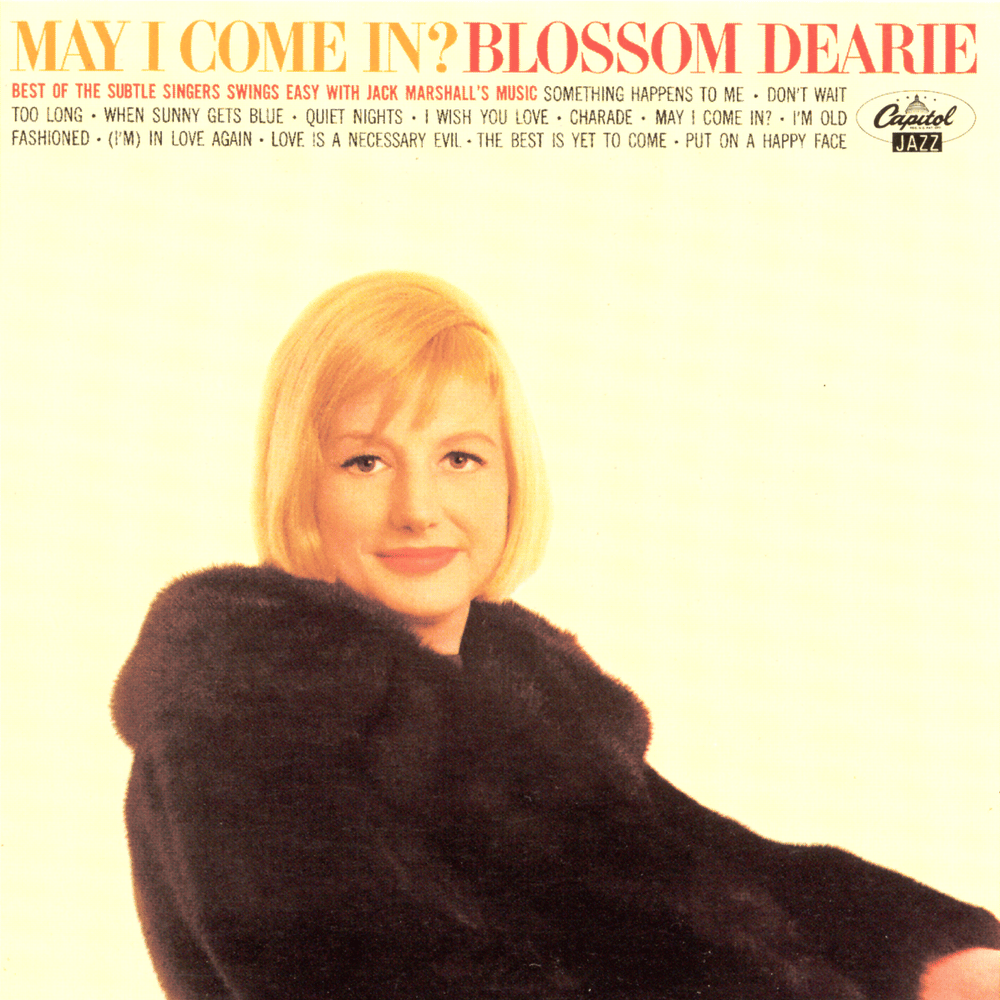
Blossom Dearie's "I Wish You Love" is a masterclass in bittersweet resignation, a sophisticated kiss-off delivered with disarming grace. It's not a lament, but a carefully constructed farewell, dripping with the idealized imagery of a life the singer knows she won't share with the object of her affection. The opening verses paint a picture of pastoral bliss: bluebirds in spring, lemonade in July – simple joys offered as a parting gift. This isn't just about wishing someone well; it's about meticulously curating an image of happiness that pointedly excludes the speaker. She's crafting a narrative of contentment for someone else's future, a future she's actively relinquishing.
The pivotal verse, "My breaking heart and I agree / That you and I could never be," is where the song's emotional core is laid bare. It's a moment of stark honesty amidst the flowery wishes. The use of "my breaking heart and I" suggests a conscious effort to reconcile reason with emotion, a psychological negotiation to accept the inevitable. This isn't impulsive heartbreak; it's a considered decision, a painful but necessary act of self-preservation. The final line, "So with my best, my very best / I set you free," echoes this sentiment, emphasizing the deliberate nature of her release.
Dearie's delivery, characteristically understated and almost conversational, amplifies the song's poignant effect. There's a subtle tension between the simple, almost childlike wishes and the underlying current of heartbreak. The repeated refrain, "I wish you love," becomes increasingly loaded as the song progresses, transforming from a simple blessing into a complex expression of longing, acceptance, and perhaps even a touch of melancholy. It's a sophisticated exploration of unrequited love, delivered with the kind of quiet strength that leaves a lasting impact. The song's meaning ultimately resides in the space between what is said and what is left unsaid, in the delicate balance between wishing someone happiness and accepting one's own sorrow.
 View Artist