Song Meaning
The narrator grapples with a fractured sense of self, admitting to internal chaos and self-deception. There's a desperate attempt to impose order, to "connect the dots" and define their existence, yet this effort feels like a struggle against an undefined enemy or purpose. The repeated phrase "Tabula Rasa" suggests a desire for a clean slate, a return to an unwritten state, but it's coupled with urgent questions about identity and the nature of conflict.
The core tension lies in the paradox of seeking freedom within a self-made prison and the futility of pursuing elusive or omnipresent dreams. The lyrics question the very act of striving when the goal is unclear or perhaps illusory. This internal conflict is amplified by the narrator's assertion that they are "lonely" and "cold," seemingly by choice or by a need to prove it, which adds a layer of self-imposed isolation to their existential quandary.
The most striking craft element is the juxtaposition of the desire for self-definition with the concept of "Tabula Rasa" – a blank slate. The narrator wants to understand "what and who we're fightin'" and "what I am and who I was before," indicating a deep-seated need for origin and purpose. Yet, the very idea of a blank slate implies an absence of prior definition, creating a circular logic that fuels their confusion and search for meaning.
This lyrical landscape is effective because it taps into a universal feeling of being lost or overwhelmed by internal and external pressures. The raw honesty about self-deception and the desperate plea for clarity resonate deeply. The writing doesn't offer easy answers but instead mirrors the disorienting experience of trying to find solid ground within oneself, making the search for a "Tabula Rasa" feel both poignant and intensely personal.
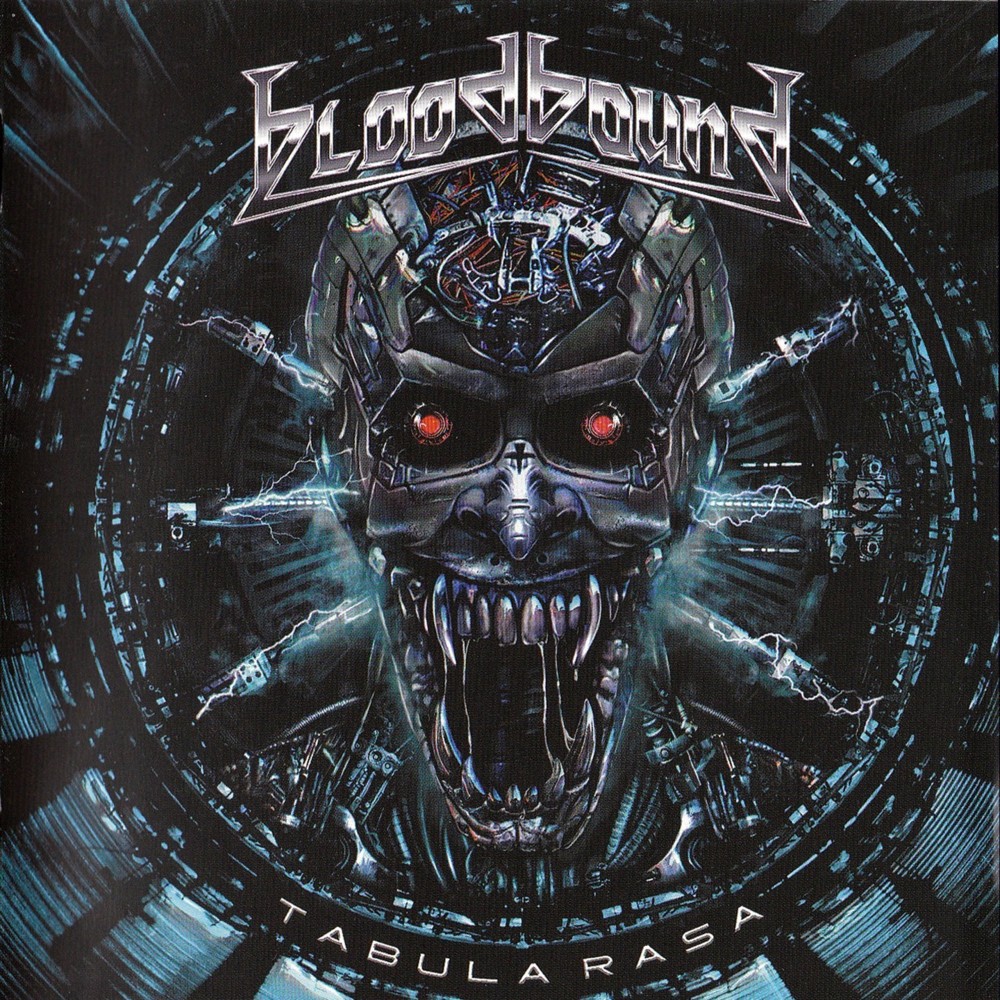
 View Artist