Song Meaning
The lyrics paint a picture of a deliberate, almost ritualistic escape, set against the backdrop of fading daylight and artificial streetlights. There's a sense of time blurring, with days coming and going unnoticed until the moment of reflection. The narrator acknowledges a loss of conscience or clarity, suggesting that the pursuit of immediate gratification – getting what one wants – can obscure judgment and lead to a later reckoning.
The central tension lies in the contrast between the present pursuit of pleasure and the inevitable future consequence or reflection. The phrase "evening sleeps away" and "synthetic rays replace the sun" create a mood of artificiality and a suspension of natural order, mirroring the narrator's own suspended state. This deliberate choice to be "high for at least three days on end" seems to be a way to outrun or numb the doubt and introspection that inevitably follow.
The most striking craft element is the repetition of "three days on end," which anchors the song in a specific, self-imposed duration of altered consciousness. This isn't a fleeting moment but a planned period of sustained escape. The idea of "foresight blurs and fades" versus "in retrospect we figure out" highlights the cyclical nature of this behavior: a present action taken without clear sight, followed by a future understanding that arrives too late to change the immediate past.
This lyrical construction is effective because it captures a specific kind of willful oblivion. The narrator isn't just passively experiencing something; they are actively choosing to disconnect, to be "high" for a set period, suggesting a conscious effort to avoid the "afterthought of doubt." The language is direct and unadorned, making the narrator's intent feel stark and almost defiant, even as the underlying unease is palpable.
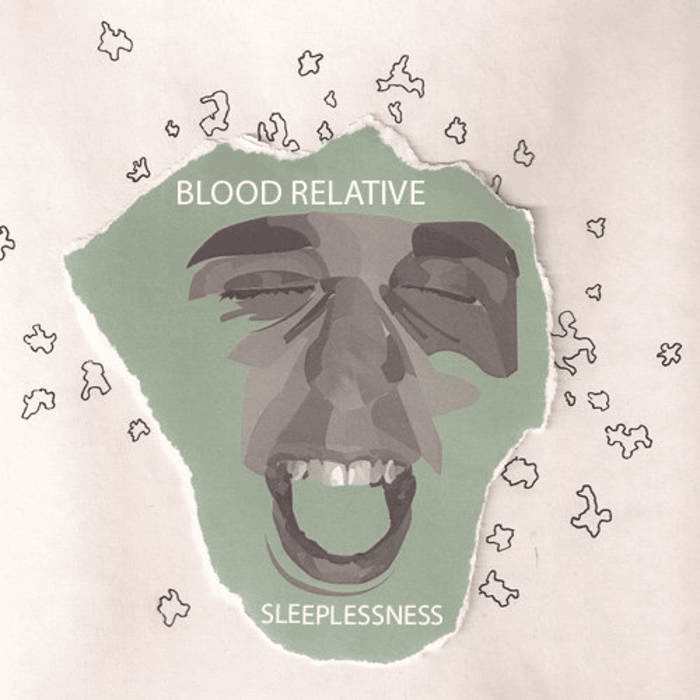
 View Artist