Song Meaning
The lyrics paint a fragmented picture, opening with a nostalgic glimpse of childhood, "Mother, see you in the May when I'm a boy." This memory is immediately juxtaposed with a more adult, perhaps transactional, desire: "Believer, monologue exemplifies a lust." The phrase "it's so true" echoes, hinting at a recurring, perhaps unsettling, realization that connects these disparate images. The narrative then shifts to a nocturnal scene, where the effectiveness of something is tied to the darkness: "Funny how it only seems to work at night." This leads to a request at a jeweler's, "pick me something pretty for my wife," which feels both tender and possibly superficial, given the earlier mention of lust.
The central tension seems to lie in the contrast between idealized memory and a present reality that is tinged with a complex, possibly unfulfilled, desire. The repetition of "So true" throughout the verses and especially in the outro, builds an almost obsessive insistence. It suggests a confirmation of something significant, but the ambiguity of what exactly is being confirmed leaves the listener pondering the nature of this truth. Is it the truth of the memory, the truth of the lust, or the truth of the transactional nature of the present?
The most striking craft element is the stark juxtaposition of maternal imagery with adult desires and the insistent, almost mantra-like repetition of "It's so true." The lyrics offer fleeting images – a boy with his mother, a late-night jeweler visit – but they are held together by this recurring affirmation. This creates a sense of unease, as if the speaker is trying to convince themselves of something, or perhaps acknowledging a difficult reality that is undeniably present.
This song's effectiveness stems from its deliberate vagueness and the emotional weight carried by the simple phrase "It's so true." The fragmented narrative and the unresolved tension between past innocence and present complexity invite the listener to project their own interpretations onto the sparse details. The insistent repetition acts as an anchor, grounding the listener in a feeling of undeniable, if ambiguous, certainty that resonates long after the words fade.
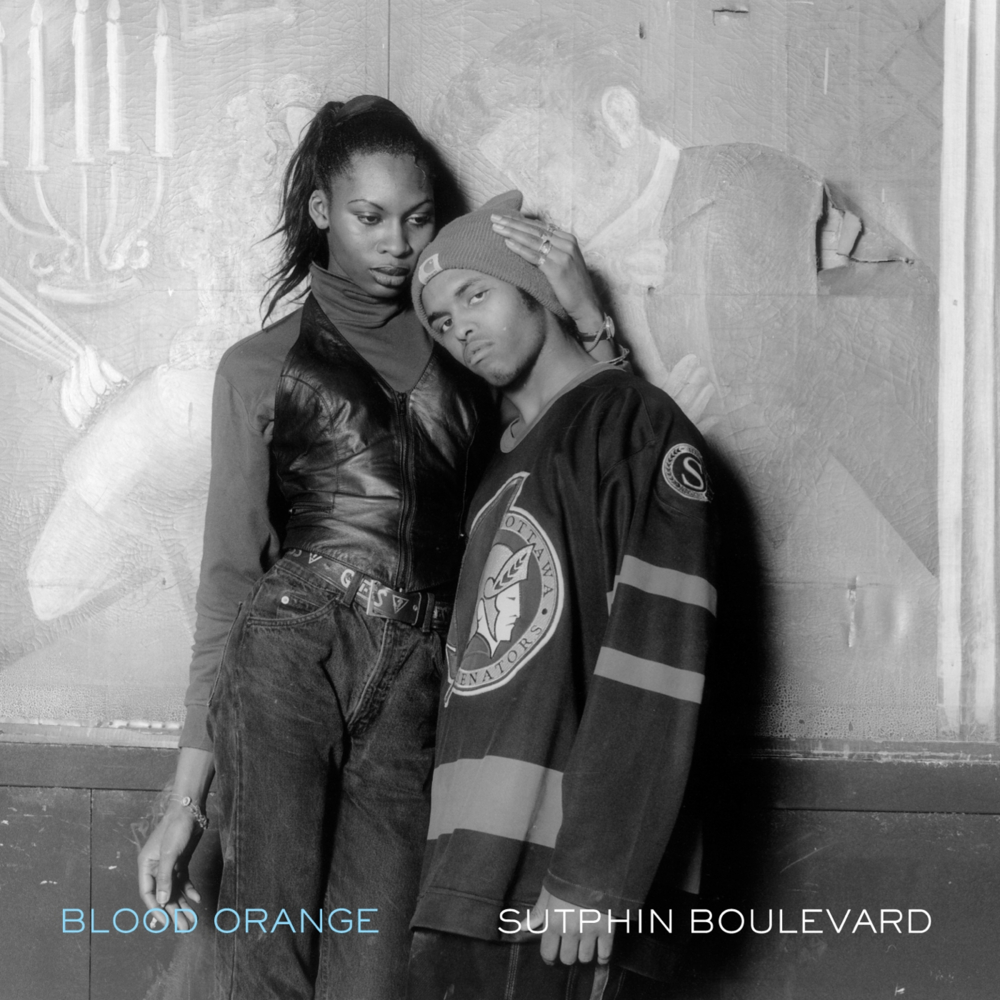
 View Artist