Song Meaning
The lyrics paint a grim picture of an overwhelming, invasive darkness that offers no escape, even in supposed safe havens. The initial scene is one of futile sanctuary-seeking, where a "malignant blackness" has already taken hold, rendering any attempt at refuge pointless. This sets a tone of inescapable dread, where the external threat has already breached all defenses, leaving the subject trapped.
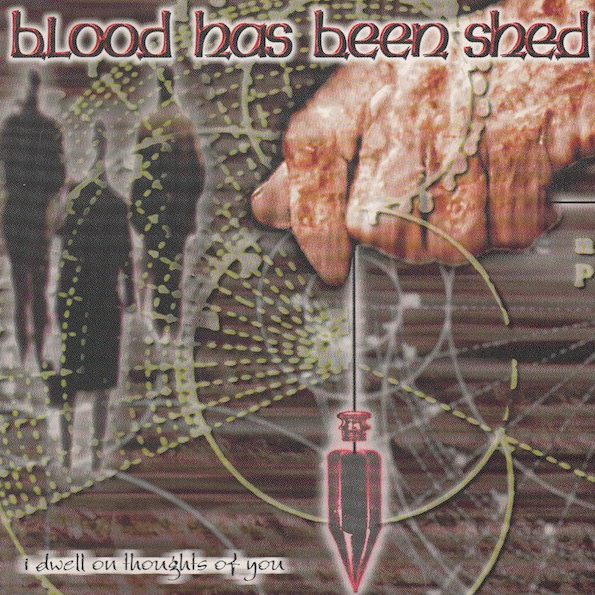
The core tension emerges from a profound sense of being cornered and powerless in the face of overwhelming opposition. The narrator is "paralyzed" amidst "conflict," facing an "opposition face to face" with no recourse, likening the situation to being a "sacrificial lamb." This helplessness is amplified by self-recrimination, as the narrator "dwell[s] on thoughts of you" and questions "Where did I go wrong?" suggesting a personal failure or betrayal that led to this dire state.
The writing employs stark, almost clinical language to describe a brutal process of purging and judgment. Phrases like "Truth is a cancer to the heretic" and "Death to the ways of the degenerate" frame a radical, unforgiving ideology. The repeated imperative "Purify" acts as a harsh command, demanding the "expel[ling] the waste" and the destruction of the "carnal." This aggressive purification suggests a violent rejection of perceived corruption, aiming to eradicate anything deemed impure or weak.
This lyrical construction is effective because it juxtaposes profound helplessness with an equally intense, almost violent, call for radical self-cleansing. The contrast between being a "sacrificial lamb" and the subsequent demand to "Purify" creates a jarring, unsettling emotional arc. It speaks to a desperate, internal battle where external defeat necessitates an extreme internal purge, making the call to action feel both inevitable and terrifyingly absolute.
 View Artist