Song Meaning
The narrator is caught in a cycle of painful remembrance, clinging to a past relationship that offered a fleeting, complex joy. The opening lines immediately establish a sense of control, but it's a control born not of affection but of a compulsion tied to past hurts. This isn't about present love; it's about managing the lingering effects of "broken hours that hurt me still."
The core tension lies in the contrast between a cherished memory and its present-day fallout. The narrator recalls a vow made near "crystal water" under "sheltering trees," a moment of profound happiness and anticipation. Yet, this idyllic scene is immediately undercut by the realization that this peak experience was followed by sorrow, a "song of mourning" that fades into the same painful recollection. The phrase "tender tainted pleasure" perfectly encapsulates this duality, suggesting a joy that was always mixed with something dark or damaging.
The lyrics masterfully employ repetition to underscore this inescapable loop. The recurring phrase "tender tainted pleasure now / Pain, now, pain" acts as a refrain, a constant return to the source of the narrator's distress. This isn't a linear narrative of healing; it's a circular experience where the memory of pleasure is inseparable from the present pain. The narrator's declaration, "I don't know, I don't care / I'll sing tomorrow's song," feels less like genuine optimism and more like a weary resignation, an attempt to move forward while still tethered to the past.
Ultimately, the effectiveness of these lyrics stems from their unflinching portrayal of how past trauma can corrupt even the most beautiful memories. The narrator isn't just sad; they are actively engaged in a process of managing the aftershocks of a joy that was inherently flawed. The specificity of the "crystal water" and "sheltering trees" makes the subsequent "song of mourning" all the more poignant, highlighting the devastating impact of what was lost and what can never be fully recovered.
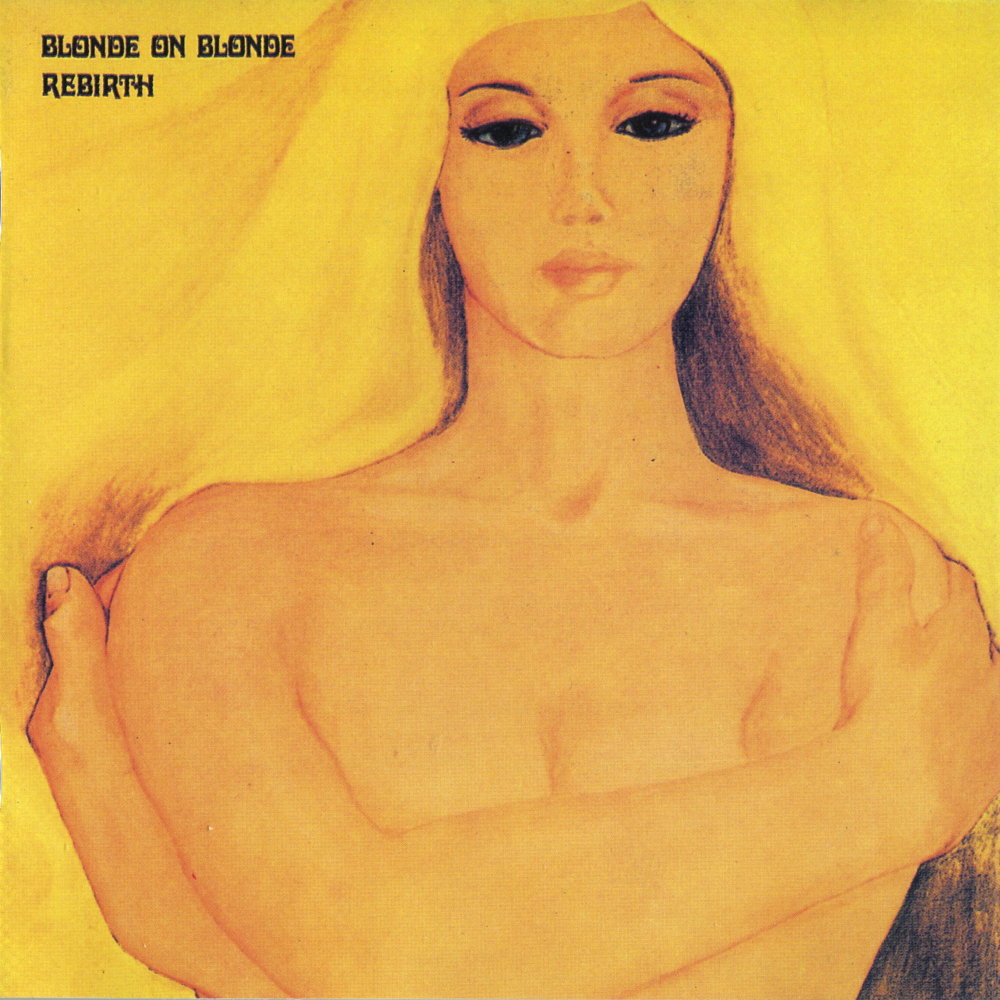
 View Artist